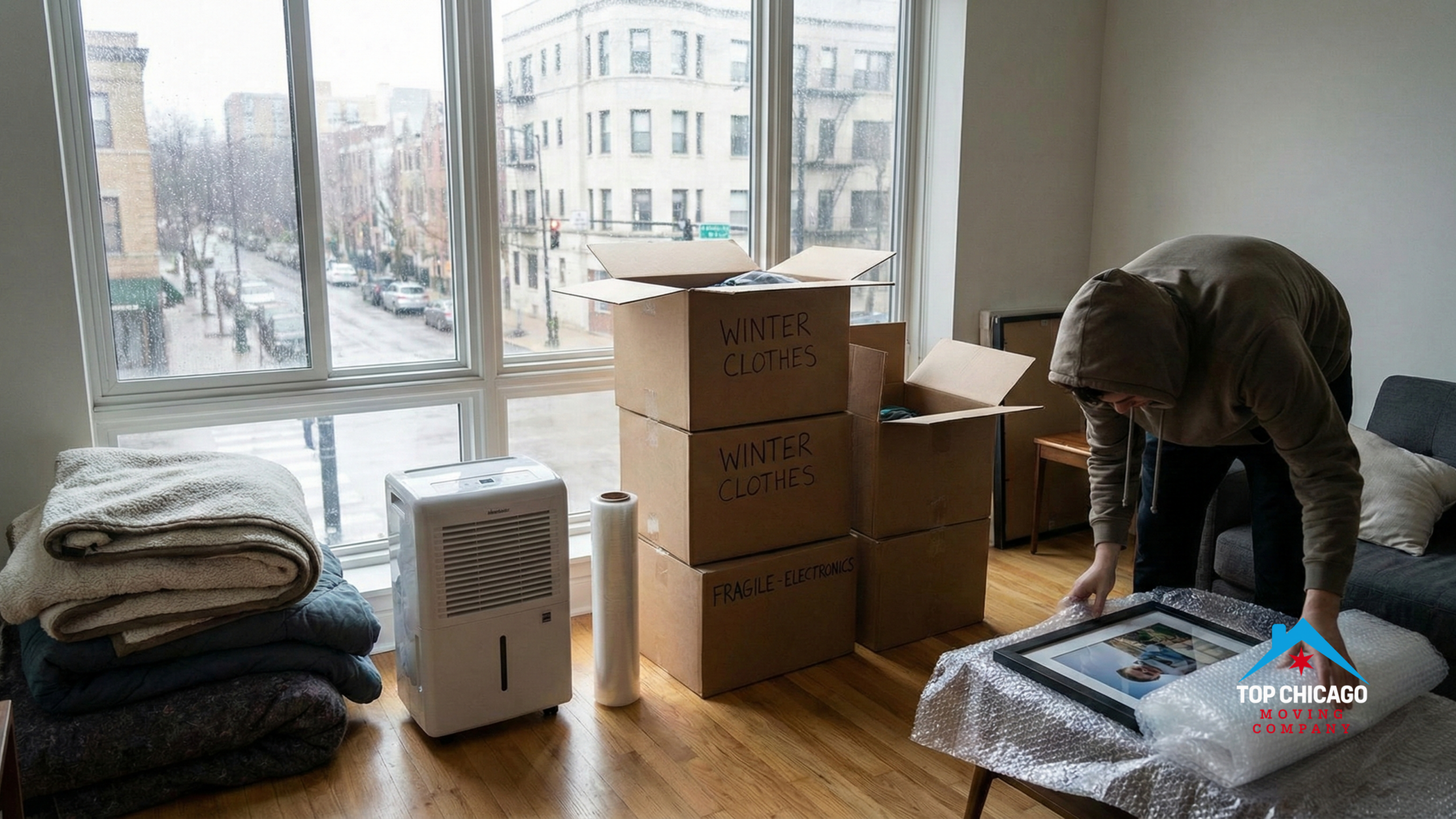
Moving within Chicago requires careful planning and organization to ensure everything goes smoothly on moving day. A well-structured timeline helps you stay on track, avoid last-minute stress, and make sure no important details get overlooked during your local relocation.
This comprehensive checklist breaks down moving tasks into manageable timeframes, from initial planning several months ahead to final settling-in activities after your move. Following this timeline will help make your Chicago move as efficient and stress-free as possible.
8 Weeks Before Moving Day
Initial Planning and Research
Start researching moving companies in Chicago by reading reviews, comparing services, and checking licensing and insurance information. Get quotes from at least three different companies to compare pricing and services offered.
Create a moving binder or digital folder to organize all moving-related documents, quotes, contracts, and important information you’ll collect throughout the process. This central location will help you stay organized as paperwork accumulates.
Set your moving budget by considering moving company costs, packing supplies, temporary storage if needed, utility deposits, and any unexpected expenses that might arise during the process.
Research your new Chicago neighborhood to familiarize yourself with local services, parking restrictions, building requirements, and any special considerations that might affect your move.
Inventory and Decluttering
Walk through your current home and create a detailed inventory of your belongings, noting items that might require special handling or have significant value for insurance purposes.
Begin the decluttering process by identifying items you no longer need or want. This is the perfect time to donate, sell, or dispose of belongings rather than paying to move them to your new location.
Take photos of valuable items for insurance documentation and consider getting appraisals for particularly expensive pieces like antiques, jewelry, or art collections.
Research donation centers and charities in Chicago where you can contribute items you no longer need, making your move more efficient while helping local organizations.
6 Weeks Before Moving Day
Book Your Moving Company
Finalize your choice of moving company and book your moving date, especially if you’re moving during peak season (summer months) when availability is limited in Chicago.
Read your moving contract carefully, understanding all terms, conditions, pricing structure, and what services are included in your package before signing.
Confirm your moving company’s licensing and insurance coverage, ensuring they’re properly registered to operate in Illinois and have adequate coverage for your belongings.
Schedule an in-home estimate if you haven’t already, allowing the moving company to assess your specific needs and provide accurate pricing for your Chicago relocation.
Administrative Tasks
Contact your current utility companies to schedule disconnection services for after your move date, including electricity, gas, water, internet, cable, and any other services you currently have.
Research and contact utility companies in your new area to schedule connection services, coordinating timing so services are available when you arrive at your new home.
Begin collecting important documents like birth certificates, passports, medical records, school transcripts, and financial documents, organizing them for easy access during and after your move.
Update your address with your employer, bank, credit card companies, insurance providers, and any subscription services you use regularly.
4 Weeks Before Moving Day
School and Medical Arrangements
If you have children, research schools in your new Chicago neighborhood and begin the enrollment process, requesting transcripts and other required documents from their current schools.
Find new healthcare providers including doctors, dentists, veterinarians, and specialists in your new area, requesting medical records from current providers to transfer to new ones.
Research childcare options if needed, including daycare centers, babysitters, or after-school programs that serve your new neighborhood in Chicago.
Schedule final appointments with current healthcare providers for any routine care or prescription refills you might need during the transition period.
Home Preparation
Start using up frozen and perishable food items to avoid waste and reduce what needs to be moved, planning meals around items you want to consume before moving day.
Begin collecting packing supplies including boxes, tape, bubble wrap, packing paper, and markers, or arrange for professional packing services if you prefer.
Arrange for temporary storage if there’s a gap between your move-out and move-in dates, or if you’re downsizing and need time to decide what to keep.
Confirm moving logistics with your new building or landlord, including elevator reservations, loading dock access, parking permits, and any specific requirements they have for moving day.
2 Weeks Before Moving Day
Address Changes and Notifications
Submit a change of address form with the United States Postal Service to ensure mail forwarding from your old address to your new Chicago location.
Update your address with government agencies including the DMV, voter registration, IRS, and any other agencies that need your current information.
Notify friends and family members of your new address, and update your contact information on social media and professional networking sites.
Contact subscription services, online retailers, and any other businesses that regularly send you mail or deliveries to update your address information.
Financial and Legal Updates
Update your address with your bank, credit union, credit card companies, loan providers, and investment accounts to ensure uninterrupted access to financial services.
Contact your insurance providers including auto, home or renters, health, and life insurance to update your address and adjust coverage if necessary for your new location.
If you rent, review your current lease terms for move-out requirements, cleaning expectations, and deposit return procedures to avoid any surprises.
Arrange for your security deposit walkthrough with your current landlord and schedule a similar walkthrough for your new rental if applicable.
1 Week Before Moving Day
Final Preparations
Confirm all arrangements with your moving company including arrival time, contact information, and any last-minute details about your Chicago move.
Pack a “first day” box with essential items you’ll need immediately in your new home, including toiletries, medications, phone chargers, basic tools, and a change of clothes.
Prepare cash for tips for your moving crew, as well as any final payments that might be required on moving day.
Charge all electronic devices and pack chargers in easily accessible locations so you can stay connected during and after your move.
Home Preparation
Disassemble furniture that needs to be taken apart for moving, keeping hardware in labeled bags taped to the corresponding furniture pieces.
Pack a suitcase as if you’re going on a short trip, with clothes and essentials for the first few days in your new home while you’re unpacking other belongings.
Clean out your refrigerator and freezer, using up remaining food items or giving them to friends and neighbors to avoid waste.
Do a final load of laundry and pack cleaning supplies separately so they’re easily accessible for move-out cleaning at your old home and initial cleaning at your new one.
Moving Day
Before the Movers Arrive
Wake up early and have a good breakfast to ensure you have energy for the busy day ahead, and prepare coffee or drinks for yourself and the moving crew.
Do a final walkthrough of your home to ensure nothing is forgotten, checking closets, cabinets, basement, attic, and any storage areas.
Set aside items you’ll transport personally, such as important documents, jewelry, cash, and irreplaceable personal items that shouldn’t go on the moving truck.
Have your moving contract, inventory list, and any payment information easily accessible when the movers arrive.
During the Move
Be present to answer questions and provide guidance to the moving crew about fragile items, special handling requirements, and room assignments in your new home.
Keep an inventory list and check off items as they’re loaded onto the truck, noting any existing damage or concerns on the moving company’s inventory sheet.
Take photos of valuable items before they’re packed and loaded, providing additional documentation for insurance purposes if needed.
Stay hydrated and take breaks as needed, remembering that moving day can be physically and emotionally exhausting even when you’re not doing the heavy lifting.
At Your New Home
Do a walkthrough of your new home before the movers arrive to check for any existing damage or issues that should be documented before your belongings are moved in.
Direct the movers on where items should be placed, using your floor plan or room assignments to ensure boxes and furniture end up in the right locations.
Check your inventory list as items are unloaded, noting any damage that may have occurred during transit and bringing it to the moving supervisor’s attention immediately.
Do a final walkthrough with the moving supervisor before they leave, addressing any concerns and completing all necessary paperwork for your Chicago relocation.
First Week After Moving
Immediate Priorities
Unpack essential items first including medications, toiletries, phone chargers, basic tools, and enough clothes for several days while you organize your new space.
Set up your bed and basic living areas so you can rest comfortably while working on unpacking and organizing the rest of your belongings over the following weeks.
Test all utilities and appliances to ensure everything is working properly, reporting any issues to your landlord or utility companies promptly.
Locate important safety features in your new home including circuit breakers, water shut-off valves, smoke detectors, and emergency exits for your family’s safety.
Administrative Follow-Up
Register with new utility companies if you haven’t already, and confirm that all services are properly connected and functioning in your new Chicago home.
Update your driver’s license and vehicle registration with the Illinois Secretary of State’s office if you’ve moved to a new address within the state.
Register to vote at your new address and find your new polling location for upcoming elections in your Chicago neighborhood.
Explore your new neighborhood to locate essential services like grocery stores, pharmacies, banks, gas stations, and healthcare facilities you might need.
First Month After Moving
Community Integration
Introduce yourself to neighbors and begin building relationships in your new Chicago community, learning about neighborhood events, services, and local resources.
Research local services including restaurants, dry cleaners, auto repair shops, and other businesses you use regularly to find convenient options near your new home.
Join community groups, neighborhood associations, or local organizations that align with your interests and help you feel more connected to your new area.
Explore Chicago attractions, parks, and cultural venues near your new home to discover what your neighborhood and the broader city have to offer.
Final Organization
Finish unpacking and organizing your belongings, taking time to thoughtfully arrange your new space rather than rushing to get everything out of boxes.
Update your home inventory for insurance purposes, documenting your belongings in their new location and noting any changes in value or condition.
Leave reviews for your moving company and other service providers you used during your relocation to help future Chicago movers make informed decisions.
Celebrate completing your move by treating yourself to something special or exploring a new restaurant in your Chicago neighborhood.
Special Considerations for Chicago Moves
Building-Specific Requirements
High-rise buildings often require elevator reservations, specific moving hours, and deposits for common area protection, so confirm these requirements well in advance of your moving date.
Some Chicago buildings have loading dock restrictions or require specific moving companies that are familiar with their systems and security requirements.
Parking permits may be required for moving trucks in many Chicago neighborhoods, so research requirements and obtain permits through the city’s 311 system if necessary.
Historic buildings may have narrow hallways, small elevators, or other architectural features that require special planning and experienced moving crews familiar with these challenges.
Seasonal Considerations
Winter moves in Chicago require special preparation for weather conditions, including protective covering for belongings and ensuring walkways are clear of ice and snow.
Summer moves during peak season may require earlier booking and could cost more due to higher demand for moving services throughout the Chicago area.
Spring and fall often provide the best weather conditions for moving in Chicago, with moderate temperatures and less likelihood of severe weather disrupting plans.
Holiday periods may affect moving company availability and utility connection scheduling, so plan accordingly if your move falls during these times.
Chicago-Specific Resources
The City of Chicago’s 311 system provides information about parking permits, street closures, and other city services that might affect your moving day logistics.
Chicago Public Library locations throughout the city can provide internet access and quiet spaces for handling moving-related administrative tasks if needed.
Local Chicago moving and storage associations can provide resources and recommendations for reputable service providers throughout the metropolitan area.
Neighborhood-specific Facebook groups and online communities often provide valuable local information and recommendations from residents familiar with area-specific moving challenges and resources.
Following this comprehensive timeline will help ensure your Chicago move goes smoothly from start to finish. Remember that every move is unique, so adjust this checklist based on your specific circumstances, timeline, and needs. The key is starting early, staying organized, and being prepared for the unexpected challenges that can arise during any relocation process.