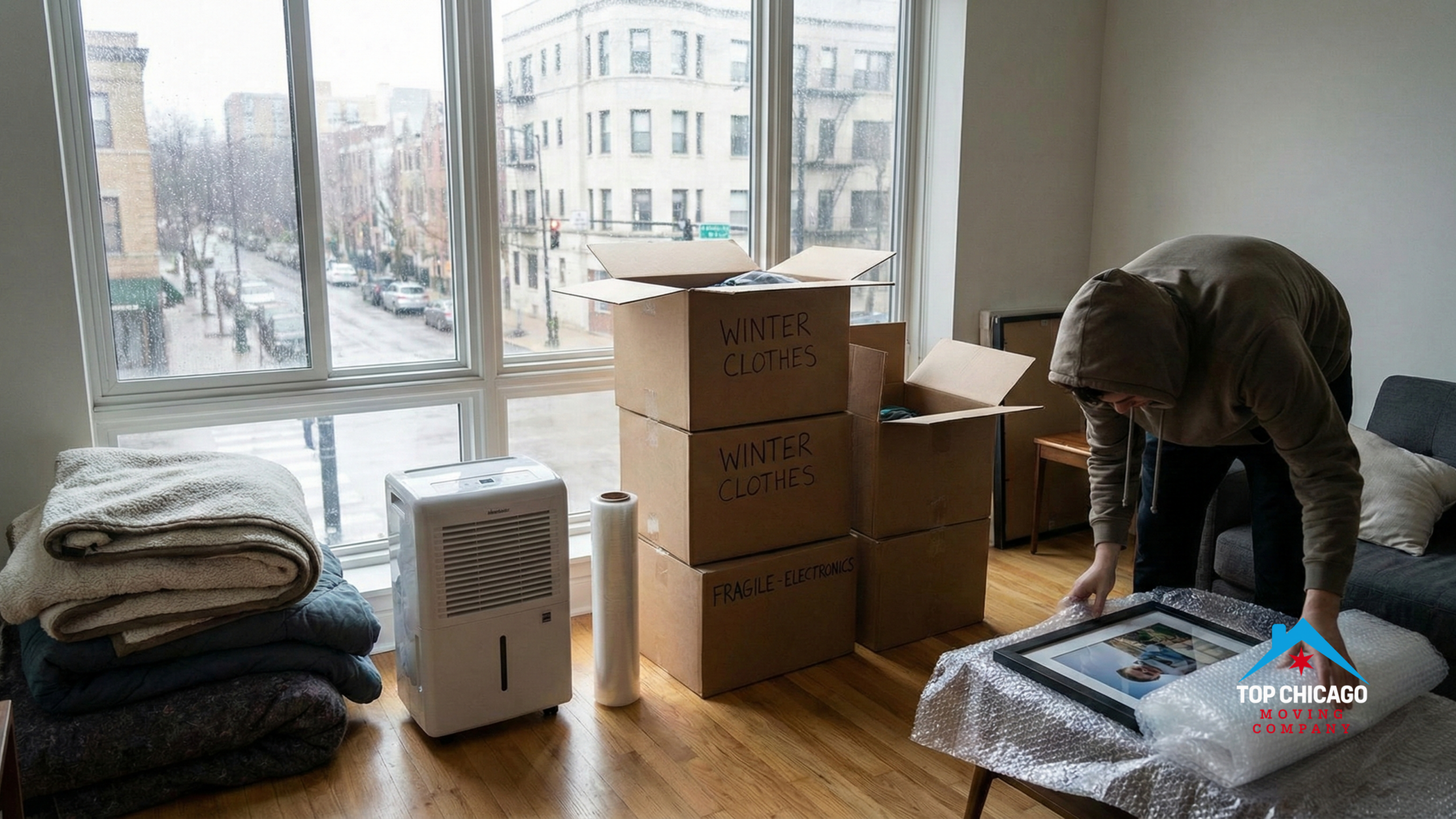
Chicago’s real estate market continues to evolve, with certain neighborhoods experiencing unprecedented demand from both buyers and renters. As a local moving company, we’ve witnessed firsthand which areas are attracting the most residents, based on the volume of moves we’re handling and the patterns we’re seeing across the city.
The neighborhoods experiencing the highest moving activity this year represent a diverse mix of established areas undergoing revitalization and emerging districts finally hitting their stride. From young professionals seeking walkable communities to families looking for better schools and amenities, different demographic groups are driving demand in specific areas for distinct reasons.
Understanding which neighborhoods are trending can help you make informed decisions about your next move, whether you’re relocating within Chicago or moving to the city for the first time. These hot spots often offer the best combination of amenities, transportation access, and future growth potential.
Lincoln Park: The Consistent Favorite
Lincoln Park continues to dominate our moving requests, particularly for residential moves involving young professionals and growing families. The neighborhood’s perfect balance of urban amenities and green space makes it perpetually attractive to Chicago residents.
The area’s proximity to downtown via multiple public transit options keeps it popular with commuters who want quick access to the Loop without sacrificing neighborhood charm. Lincoln Park Zoo, the lakefront trail, and numerous parks provide outdoor recreation opportunities that many urban neighborhoods lack.
Recent development projects have added modern apartment complexes and condominiums while preserving the neighborhood’s historic character. This new construction has created more housing options at various price points, though demand still significantly outpaces supply.
The dining and nightlife scene in Lincoln Park continues to evolve, with new restaurants and bars opening regularly while established favorites maintain their loyal followings. This dynamic food scene contributes significantly to the neighborhood’s appeal for residents who prioritize walkable entertainment options.
West Loop: The Tech Hub Transformation
West Loop has transformed dramatically over the past few years, evolving from an industrial area to Chicago’s premier tech and dining destination. We’ve seen a massive increase in moves to this neighborhood, particularly from tech workers and food industry professionals.
The concentration of tech companies, including Google’s Chicago headquarters, has created a ecosystem that attracts workers who want to minimize their commute while living in a cutting-edge urban environment. This has driven demand for the neighborhood’s growing residential developments.
Restaurant Row along Randolph Street continues to expand, with celebrity chefs and innovative dining concepts choosing West Loop as their home base. This culinary renaissance has made the area attractive to food enthusiasts and industry professionals alike.
The neighborhood’s industrial heritage provides unique living spaces in converted warehouses and lofts that appeal to residents seeking distinctive architecture and open floor plans not available in more traditional residential areas.
New residential towers continue rising throughout West Loop, but demand from incoming residents keeps vacancy rates low and drives continued development. The neighborhood’s rapid growth shows no signs of slowing down.
Logan Square: The Creative Hotspot
Logan Square has emerged as Chicago’s creative capital, attracting artists, musicians, writers, and other creative professionals seeking affordable living spaces with authentic neighborhood character. Our moving volume to Logan Square has increased substantially as word spreads about the area’s unique culture.
The neighborhood’s art scene includes numerous galleries, performance venues, and creative spaces that foster a collaborative community atmosphere. This cultural richness appeals to residents who value creativity and artistic expression in their daily environment.
Local businesses in Logan Square reflect the neighborhood’s creative spirit, with independent coffee shops, vintage stores, record shops, and artisanal food establishments creating a distinct retail landscape that differs significantly from corporate chain environments.
The Blue Line provides excellent downtown connectivity while maintaining the neighborhood’s distinct identity separate from the Loop. This transportation access makes Logan Square practical for professionals who work downtown but prefer living in a more bohemian environment.
Housing options in Logan Square range from affordable apartments in vintage buildings to renovated single-family homes, providing options for various life stages and income levels within the creative community.
River North: The Urban Professional Haven
River North continues attracting urban professionals who prioritize proximity to work, upscale amenities, and a sophisticated lifestyle. The neighborhood’s combination of luxury high-rises and converted loft buildings provides diverse housing options for successful professionals.
The concentration of corporate offices, law firms, and financial institutions in and around River North makes it extremely convenient for professionals who want to walk or take short commutes to work while living in a vibrant urban environment.
Upscale dining, shopping, and nightlife options throughout River North cater to residents with disposable income who appreciate fine dining, craft cocktails, and high-end retail therapy within walking distance of their homes.
The neighborhood’s art galleries, including many concentrated in the River North Gallery District, provide cultural amenities that appeal to professionals who value arts and culture as part of their urban lifestyle.
New residential developments continue adding luxury units to meet demand from high-earning professionals, though the neighborhood’s established character prevents overdevelopment that might diminish its appeal.
Wicker Park: The Trendy Revival
Wicker Park is experiencing a renaissance as both longtime residents and newcomers discover the neighborhood’s unique blend of hipster culture, historic architecture, and improving amenities. We’ve handled numerous moves to Wicker Park from people seeking authentic Chicago neighborhood character.
The music scene in Wicker Park remains vibrant, with numerous venues hosting everything from indie rock to electronic music. This musical heritage continues attracting residents who prioritize live music and nightlife as essential neighborhood amenities.
Local shopping along Milwaukee Avenue and Division Street offers a mix of vintage stores, independent boutiques, and artisanal goods that create a shopping experience unavailable in more commercial districts.
Restaurant options in Wicker Park span from casual neighborhood spots to innovative fine dining, reflecting the diverse demographics of residents who’ve chosen to call the area home.
The neighborhood’s Victorian-era architecture provides character-rich housing options that appeal to residents seeking distinctive living spaces with historical significance and architectural details not found in newer developments.
Bucktown: The Family-Friendly Alternative
Bucktown has become increasingly popular with families who want neighborhood character without sacrificing family-friendly amenities and good schools. Our family-oriented residential moves to Bucktown have increased significantly this year.
The neighborhood offers a good selection of single-family homes with yards, which appeals to families with children who need outdoor space but want to remain within the city limits rather than moving to suburbs.
Local schools in and around Bucktown receive good ratings, making the area attractive to families who prioritize education while wanting their children to experience city living with access to cultural amenities.
Parks and family-friendly businesses throughout Bucktown create a community atmosphere where families can establish roots and children can safely explore their neighborhood while developing independence.
The area’s proximity to both downtown and O’Hare Airport makes it practical for families with diverse needs, including parents who travel for work or want easy access to cultural attractions in other parts of the city.
Pilsen: The Emerging Gem
Pilsen represents one of Chicago’s most exciting emerging neighborhoods, with increasing numbers of young professionals and artists discovering the area’s affordability, character, and improving amenities. We’ve seen steady growth in moves to Pilsen throughout the year.
The neighborhood’s Mexican heritage creates a rich cultural environment with authentic restaurants, markets, and cultural centers that provide residents with genuine diversity and international flavor within Chicago.
Street art and murals throughout Pilsen create an outdoor gallery that reflects the neighborhood’s artistic spirit and cultural pride. This visual appeal attracts residents who appreciate art integrated into their daily environment.
Housing affordability in Pilsen remains relatively accessible compared to other trendy Chicago neighborhoods, making it attractive to young professionals, artists, and others seeking urban living without premium price tags.
The Pink Line provides direct downtown access, making Pilsen practical for professionals who work in the Loop but prefer living in a neighborhood with more character and affordability than typical downtown areas.
North Center: The Quiet Urban Retreat
North Center appeals to residents seeking a quieter urban experience without sacrificing city amenities and convenience. The neighborhood’s residential character attracts families and professionals who prefer a more suburban feel within city limits.
Tree-lined streets and well-maintained homes give North Center a neighborhood atmosphere that feels more like a small town within the big city. This appeals to residents who want community connections and a slower pace.
Local businesses along Lincoln Avenue provide neighborhood services and dining options that foster community interaction while maintaining the area’s residential character rather than becoming overly commercial or touristy.
The neighborhood’s central location provides easy access to other parts of Chicago while maintaining its distinct identity as a residential enclave where people can establish deep community roots.
Good schools and family-friendly amenities make North Center particularly attractive to families with children who want city living with suburban-style neighborhood benefits.
The South Loop: The Lakefront Lifestyle
South Loop continues attracting residents who prioritize lakefront access, downtown proximity, and modern amenities. The neighborhood’s combination of high-rise living and park access appeals to diverse demographic groups seeking urban sophistication.
Grant Park and the lakefront trail system provide outdoor recreation opportunities that many downtown neighborhoods lack, making South Loop attractive to active residents who prioritize fitness and outdoor activities.
The concentration of museums, including the Field Museum and Shedd Aquarium, provides cultural amenities that appeal to residents who value arts, culture, and lifelong learning as essential lifestyle components.
New residential developments continue adding housing options while the neighborhood’s established infrastructure provides reliable transportation, shopping, and dining options that make daily life convenient and enjoyable.
The area’s proximity to both downtown employment centers and recreational amenities creates an ideal balance for professionals who want sophisticated urban living with easy access to outdoor activities.
Transportation and Infrastructure Impact
Public Transit Accessibility
The most popular neighborhoods consistently offer excellent public transportation access, particularly to downtown employment centers. CTA accessibility significantly influences moving patterns as residents prioritize commute convenience.
Red and Blue Line stops create particular hotspots where demand increases significantly, as these lines provide the most reliable downtown access during peak commuting hours when many professionals need to travel.
Bus routes complement rail access in popular neighborhoods, providing additional transportation flexibility that appeals to residents who need to travel to various parts of the city for work, entertainment, or personal needs.
Future transportation improvements, including planned CTA updates and new bike infrastructure, influence neighborhood desirability as forward-thinking residents choose areas positioned for improved connectivity.
Walkability and Bike Infrastructure
Walkable neighborhoods with good Walk Scores consistently show higher moving volume, as residents increasingly prioritize car-free or car-light lifestyles that reduce transportation costs and environmental impact.
Protected bike lanes and Divvy bike share stations make neighborhoods more attractive to environmentally conscious residents and those who enjoy cycling as recreation or transportation.
Mixed-use development that combines residential, retail, and office space creates walkable environments where residents can accomplish daily tasks without lengthy commutes or car dependency.
Safe pedestrian infrastructure, including well-lit streets, crosswalks, and sidewalk maintenance, influences neighborhood desirability particularly for families with children and residents who walk frequently.
Economic Factors Driving Movement
Housing Market Trends
Neighborhoods experiencing rapid appreciation attract investors and residents who view real estate as both housing and investment, driving increased moving activity as people position themselves in growth areas.
Rental market dynamics influence moving patterns significantly, as renters seek neighborhoods offering good value while property appreciation makes homeownership increasingly attractive in certain areas.
New construction creates opportunities for residents seeking modern amenities while established housing stock appeals to those preferring character and potentially lower prices in up-and-coming areas.
Employment Centers
Job growth in specific industries influences neighborhood popularity, as workers seek housing near employment centers or along convenient transportation routes to reduce commute times and costs.
The growth of remote work has changed some neighborhood dynamics, as workers no longer tied to specific employment locations can prioritize lifestyle amenities over commute convenience.
Startup ecosystems and entrepreneurial communities create neighborhood demand as business owners and employees seek areas that foster professional networking and business development opportunities.
Chicago’s neighborhood evolution continues creating opportunities for residents seeking different lifestyle priorities. Whether you’re drawn to established favorites like Lincoln Park or emerging areas like Pilsen, each neighborhood offers distinct advantages that appeal to different demographic groups and lifestyle preferences.
The key to choosing the right neighborhood lies in understanding your priorities and how they align with what each area offers. Commercial development and residential growth patterns provide clues about future neighborhood trajectories, but current amenities and community character remain the primary factors influencing daily quality of life.
As Chicago continues growing and evolving, these trending neighborhoods represent the best opportunities for residents seeking vibrant communities with strong growth potential and established amenities that enhance urban living.