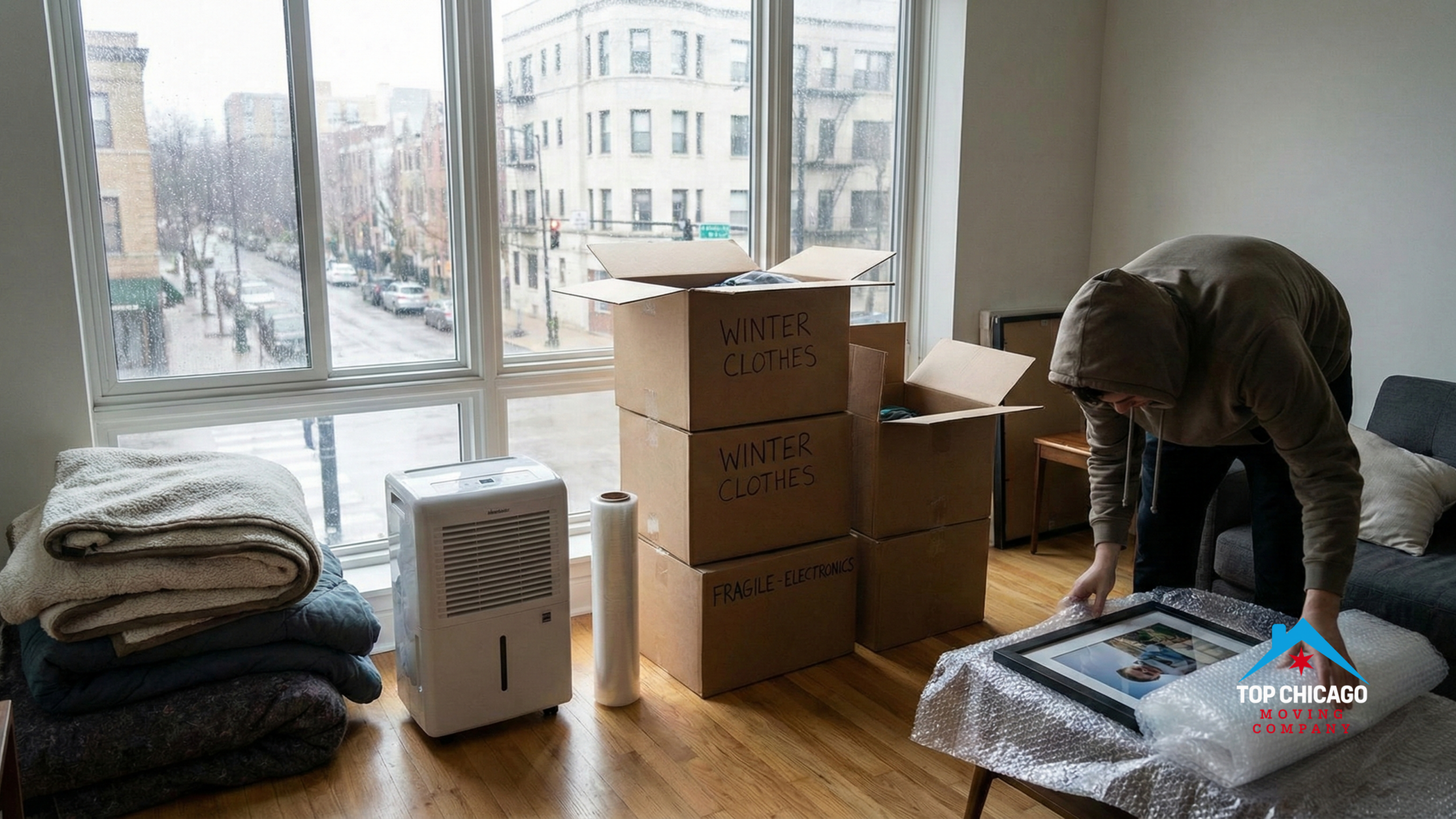
Moving day can feel overwhelming, but having the right items easily accessible can transform a chaotic experience into a manageable process. While your professional movers handle the heavy lifting and transportation, having a well-prepared survival kit ensures you can address immediate needs, handle unexpected situations, and maintain comfort throughout the day.
The key to an effective moving day kit lies in anticipating what you’ll need during the transition period between your old home and settling into your new one. This means thinking beyond just the moving process itself to include the first few hours or even days in your new space.
Essential Documentation and Important Papers
Moving-Related Documents
Keep all moving contracts, estimates, and receipts in a waterproof folder that stays with you throughout the day. This includes your agreement with your moving company, any additional service contracts, and receipts for moving-related expenses. Having these documents readily available helps resolve any questions or disputes that might arise during the move.
Include a detailed inventory list of your belongings, particularly valuable items. While professional residential moving companies typically provide inventory documentation, having your own record helps verify that everything arrives safely at your new home.
If you’ve arranged for specific services like packing assistance or specialty item handling, keep those service agreements accessible. This documentation helps ensure all contracted services are completed as agreed.
Property and Utility Documents
Lease agreements, closing documents, or property deeds should be immediately accessible on moving day. You may need to reference specific terms, provide proof of occupancy, or resolve access issues that arise during the move.
Utility account information and contact numbers are crucial for addressing any service issues that might occur. Include account numbers, customer service phone numbers, and confirmation numbers for scheduled service transfers or installations.
Insurance documents, including homeowners, renters, and moving insurance policies, should be easily accessible. While you hope not to need them, having insurance information readily available expedites any claim processes if damage or loss occurs.
Personal Identification and Financial Records
Keep identification documents, including driver’s licenses, passports, and Social Security cards, in a secure but accessible location. Moving day often requires identity verification for various services or deliveries.
Bank account information and a few checks can be helpful for unexpected expenses or deposits that might be required. Some situations may require immediate payment for additional services or utility deposits.
Credit cards and some cash provide flexibility for purchasing last-minute supplies, tipping movers, or covering unexpected expenses that arise during the moving process.
Immediate Comfort and Convenience Items
Food and Hydration
Pack enough water and beverages for everyone involved in your move, including family members and any friends helping with the process. Moving day is physically demanding, and staying hydrated is essential for maintaining energy and preventing health issues.
Non-perishable snacks and easy-to-eat meals prevent hunger-related fatigue and eliminate the need to stop for food during critical moving phases. Include items that don’t require preparation or refrigeration, such as energy bars, crackers, and dried fruits.
Paper plates, cups, and plastic utensils allow you to eat without needing to locate and unpack kitchen supplies. These disposable items can be discarded after use, eliminating cleanup concerns during an already busy day.
Consider the dietary needs of anyone helping with your move. Having appropriate snacks and beverages for helpers shows appreciation and keeps everyone energized throughout the process.
Personal Hygiene and Health Items
A basic toiletry kit with essentials like toothbrushes, toothpaste, soap, and toilet paper ensures personal comfort during the transition period. These items are often packed deep in boxes and difficult to locate when needed most.
Any prescription medications should be easily accessible and never packed with general household items. Include a few days’ supply in case it takes time to locate your main medication supply or if you need to visit a new pharmacy.
Hand sanitizer and wet wipes are particularly valuable during moving day, when you’re handling dusty boxes and may not have immediate access to soap and water for frequent hand washing.
A basic first aid kit helps address minor cuts, scrapes, or injuries that might occur during the moving process. Include bandages, antiseptic wipes, and basic pain relievers.
Weather-Appropriate Clothing
Chicago weather can be unpredictable, so pack a change of weather-appropriate clothes that remains easily accessible throughout your move. This includes rain gear for unexpected showers or extra layers for temperature drops.
Comfortable, sturdy shoes are essential for moving day safety and comfort. Pack an extra pair in case your primary shoes become wet, damaged, or uncomfortable during the long day.
Work gloves protect your hands when handling boxes or assisting with moving tasks. Even if you’re not doing heavy lifting, you’ll likely handle various items that could cause scratches or splinters.
Technology and Communication Essentials
Device Charging and Communication
Portable phone chargers or power banks ensure your communication devices remain functional throughout moving day. Long moving days can drain battery life quickly, especially when coordinating with movers, utilities, and other services.
Keep important phone numbers written down separately from your phone. This includes your moving company’s contact information, utility companies, property managers, and emergency contacts. Digital contact lists become useless if your phone battery dies or gets damaged.
A small extension cord and power strip can be invaluable for charging devices or powering essential items before your electrical systems are fully set up in your new home.
Documentation and Record-Keeping Tools
A camera or smartphone for documenting the condition of items before and after the move helps protect your interests and provides evidence for any insurance claims that might be necessary.
A notebook and pen allow you to record important information, take notes about damage or concerns, and keep track of tasks that need to be completed after the move.
Consider having a tablet or laptop readily accessible for looking up information, communicating with service providers, or accessing digital documents that might be needed during the moving process.
Tools and Supplies for Moving Day
Basic Tool Kit
A basic toolkit with screwdrivers, pliers, and a hammer can address immediate assembly needs or minor repairs that arise during the move. While your movers handle most tasks, having tools available prevents delays for simple fixes.
Box cutters and scissors are essential for opening boxes, cutting tape, and accessing packed items when needed. Pack multiple cutting tools since they’re easy to misplace during busy moving activities.
Measuring tape helps verify that furniture will fit through doorways, up stairs, or into designated spaces. This prevents time-consuming positioning attempts with large, heavy items.
A flashlight or headlamp provides illumination for dark areas, basements, or storage spaces where overhead lighting might not be adequate or functional.
Labeling and Organization Supplies
Extra labels and permanent markers help you identify boxes, mark fragile items, or update labeling systems as needs change during the moving process. Clear labeling speeds up unpacking and helps movers place items in appropriate locations.
Trash bags are useful for immediate cleanup, disposal of packing materials, and organizing items that need to be discarded rather than moved to your new home.
Zip-lock bags in various sizes help organize small items, protect important documents from moisture, and keep related items together during the transition.
Cleaning Supplies
Basic cleaning supplies allow you to address spills, clean surfaces, or handle minor cleanup tasks at both your old and new locations. Include paper towels, all-purpose cleaner, and disinfecting wipes.
Toilet paper and paper towels are often the first items you’ll need in your new home, but they might be packed in hard-to-find locations. Keep a supply easily accessible for immediate use.
A broom and dustpan help with quick cleanup of debris or dirt that accumulates during the moving process. This is particularly useful for final cleanup of your old home or initial cleaning of your new space.
Emergency and Backup Supplies
Weather Protection
Tarps or plastic sheeting protect belongings from unexpected rain or moisture during loading and unloading. Chicago weather can change quickly, and having protection available prevents water damage to your possessions.
Umbrella coverage for yourself and important documents ensures you can continue coordinating your move even during light rain or snow.
Towels can address minor water issues, provide cushioning for delicate items, or handle cleanup of spills that might occur during the moving process.
Security and Access Items
Extra keys for both your old and new homes prevent lockout situations that could delay or complicate your move. Include keys for any storage units, mailboxes, or security systems.
A spare garage door opener ensures access to your new home even if the primary remote gets misplaced during the moving chaos.
Contact information for locksmiths, in case key issues arise that prevent access to either property during the moving process.
Financial Backup Options
Keep some cash available for tips, unexpected expenses, or emergency purchases. Moving day can present surprising costs that need immediate attention.
A backup credit card separate from your primary payment method provides financial flexibility if your main card is lost, damaged, or declined for any reason.
Petty cash for parking meters, tolls, or other small expenses that might arise during transportation between your old and new locations.
Children and Pet Care Essentials
Child Care Supplies
If children are present during your move, pack entertainment items like books, games, or electronic devices with headphones to keep them occupied during busy periods.
Snacks and drinks specifically chosen for children’s preferences help maintain their comfort and cooperation throughout the moving day.
A change of clothes for children accounts for the likelihood that they’ll get dirty or wet during the moving activities.
Any special comfort items like favorite blankets, stuffed animals, or toys should remain easily accessible to help children cope with the stress and disruption of moving day.
Pet Care Items
Pet carriers, leashes, and identification tags are essential for keeping pets safe and secure during the chaos of moving day. Even indoor pets may need to be secured to prevent them from escaping through frequently opened doors.
Pet food, water, and familiar items like toys or blankets help maintain pet comfort during a stressful day. Consider the timing of pet meals and bathroom needs when planning your moving schedule.
Contact information for veterinarians in both your old and new neighborhoods provides peace of mind in case pet health issues arise during the transition.
New Home Setup Priorities
Immediate Functionality Items
Light bulbs for fixtures that might be missing bulbs allow you to illuminate your new space immediately. Moving into a poorly lit home creates safety hazards and makes unpacking more difficult.
Basic hardware like picture hanging supplies, hooks, and small fasteners help you quickly organize and personalize your new space without waiting to unpack larger hardware supplies.
A few basic household items like soap, shower curtains, and towels make your new home immediately livable, even if your full unpacking takes several days.
Safety and Security Setup
Smoke detector batteries should be checked and replaced if necessary. Moving into a new home is an excellent time to ensure all safety devices are functioning properly.
Contact information for local emergency services, including police, fire department, and medical facilities in your new neighborhood.
A basic security assessment of your new home might reveal immediate needs like additional lighting, lock changes, or security system updates.
Organization and Unpacking Strategy
Priority Room Planning
Identify which rooms need to be functional immediately and which can wait for later unpacking. Typically, bedrooms, bathrooms, and kitchens take priority for basic functionality.
A floor plan or room layout sketch helps you direct movers efficiently and visualize furniture placement before items are moved into position.
Priority box identification ensures that boxes containing essential items for immediate use are clearly marked and unpacked first.
Unpacking Timeline
A realistic unpacking schedule prevents overwhelming yourself with trying to complete everything on moving day. Plan to have basic functionality established quickly while allowing time for thoughtful organization of remaining items.
Essential services verification ensures utilities, internet, and security systems are functioning properly before you need them for daily activities.
Coordinating with Professional Movers
Communication Protocol
Establish clear communication with your moving crew about any special requirements, fragile items, or specific placement instructions. Professional movers appreciate clear direction that helps them work efficiently.
Designate a point person for communication with the moving crew to prevent conflicting instructions or confusion about requirements.
Keep contact information readily available for your moving company’s office in case issues arise that require management input or additional resources.
Service Verification
Understand what services are included in your moving package and what might require additional charges. This knowledge helps you make informed decisions if unexpected needs arise during the move.
If you’ve arranged for additional services like packing assistance, verify that all contracted services are completed as agreed before final payment.
Document any concerns or damage immediately and communicate them to your moving crew supervisor while they’re still on site.
Moving day success depends largely on preparation and having essential items readily accessible when needed. A well-organized survival kit transforms potential chaos into manageable challenges, allowing you to focus on coordinating your move rather than searching for basic necessities. Remember that moving day is temporary, but good preparation makes the experience significantly more comfortable and efficient.
The investment in preparing a comprehensive moving day kit pays dividends in reduced stress, improved efficiency, and greater comfort during one of life’s more challenging transitions. Whether you’re handling a simple apartment move or a complex residential relocation, having these essentials organized and accessible helps ensure your moving day proceeds as smoothly as possible.