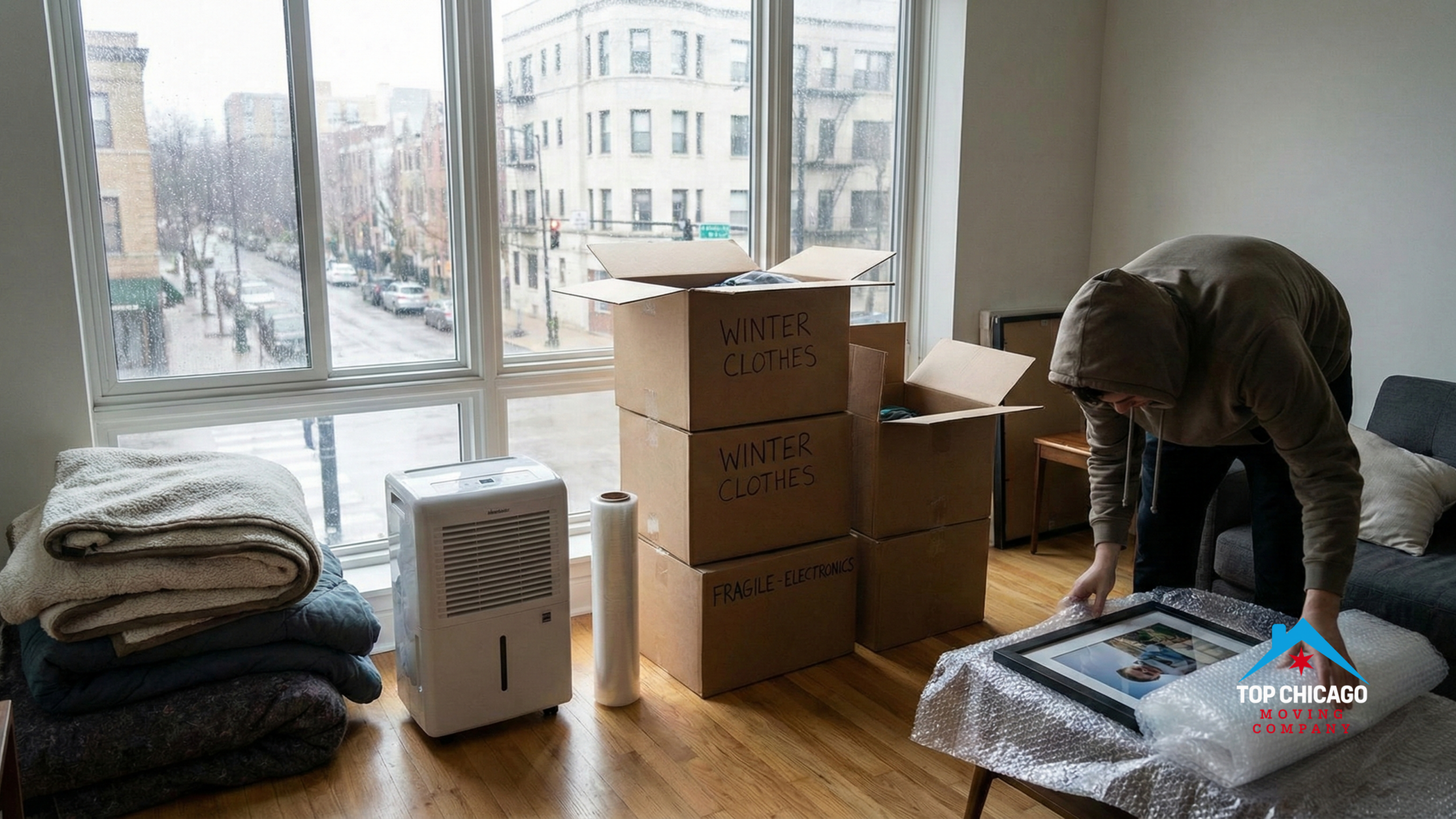
Planning your Chicago move around weather conditions can significantly impact your moving experience, costs, and overall stress levels. The Windy City’s diverse climate patterns create distinct advantages and challenges for relocations throughout the year, making timing a crucial factor in your moving strategy.
Understanding Chicago’s weather patterns helps you make informed decisions about when to schedule your move, what preparations are necessary, and how to budget for seasonal variations in moving costs. Each season brings unique considerations that affect everything from road conditions to moving company availability.
Chicago’s Climate Overview for Movers
Seasonal Weather Patterns
Chicago experiences a continental climate with four distinct seasons, each presenting different challenges and opportunities for residential relocations. The city’s location along Lake Michigan creates additional weather variables including lake-effect conditions that can impact moving plans unexpectedly.
Winter temperatures typically range from 20-35°F with frequent snow, ice, and harsh winds that complicate outdoor moving activities. Spring brings unpredictable weather with temperatures ranging from 40-70°F, including sudden storms and muddy conditions from melting snow.
Summer offers the most favorable moving conditions with temperatures between 70-85°F, though occasional thunderstorms and high humidity can create challenges. Fall provides moderate temperatures from 45-65°F with beautiful weather, though increased moving demand during this popular season affects availability and pricing.
Lake Michigan’s influence creates microclimates throughout the city, with lakefront areas experiencing cooler summers and milder winters compared to inland neighborhoods. These variations can affect moving conditions depending on your specific pickup and delivery locations within the metropolitan area.
Chicago-Specific Weather Challenges
The city’s notorious wind patterns can complicate moves year-round, particularly when handling large items or loading trucks in open areas. Wind gusts frequently exceed 25 mph, making furniture moving hazardous and requiring additional securing precautions.
Snow and ice removal policies vary significantly between Chicago neighborhoods and suburbs, affecting moving truck access and safety during winter months. Some residential streets receive limited snow clearing, creating impassable conditions for large moving vehicles.
Sudden weather changes are common throughout the year, with temperature swings of 30+ degrees possible within 24 hours. These rapid changes can transform ideal moving conditions into challenging situations without warning.
Chicago’s urban heat island effect intensifies summer temperatures in downtown and densely populated areas, making physical moving activities more strenuous than suburban locations during peak summer months.
Spring Moving in Chicago (March-May)
Weather Conditions and Advantages
Spring offers moderate temperatures that make physical moving activities more comfortable than extreme summer or winter conditions. March through May typically sees gradual warming from 45°F to 70°F, creating pleasant working conditions for extended moving periods.
Daylight hours increase significantly during spring, providing more time for moving activities and reducing the need for artificial lighting during loading and unloading. Longer days allow for more flexible scheduling and reduce time pressure on moving crews.
Spring weather generally provides clear conditions for driving moving trucks, with reduced risk of severe storms compared to summer months. Road conditions improve dramatically as winter ice and snow clear, making transportation safer and more predictable.
The season’s moderate humidity levels create comfortable working conditions without the oppressive heat and moisture that characterize Chicago summers. This comfort translates to better performance from moving crews and less fatigue for DIY movers.
Spring Weather Challenges
Chicago springs are notoriously unpredictable, with potential for late season snowstorms that can disrupt moving plans with little warning. March and early April moves carry risk of unexpected winter weather returns.
Mud season creates challenging conditions around homes with unpaved driveways, gardens, or construction areas. Heavy rains combined with melting snow can create muddy conditions that damage flooring and complicate furniture moving.
Spring storms can bring severe weather including tornadoes, hail, and damaging winds that pose safety risks and potential damage to belongings during outdoor moving activities. Weather monitoring becomes essential during spring moves.
Pollen levels peak during Chicago springs, creating challenges for individuals with allergies and potentially affecting moving crew performance. High pollen counts can make outdoor activities uncomfortable and may require additional cleaning of items.
Spring Moving Tips
Monitor weather forecasts closely in the days leading up to your move and maintain flexible scheduling to accommodate sudden weather changes. Having backup indoor moving dates can prevent costly rescheduling.
Prepare for muddy conditions by laying protective coverings on floors and walkways. Plastic sheeting, cardboard, or specialized floor protection prevents damage to both your current and new homes.
Schedule professional residential moving services early in spring to secure preferred dates before peak season demand increases. Spring represents the beginning of busy moving season with gradually increasing demand.
Plan indoor preparation activities for days with poor weather conditions. Packing, organizing, and cleaning can continue regardless of outdoor conditions, maintaining momentum toward your moving timeline.
Summer Moving in Chicago (June-August)
Peak Season Advantages
Summer provides the most predictable and favorable weather conditions for Chicago moves, with consistent temperatures, minimal precipitation, and maximum daylight hours for extended moving activities.
Road conditions reach their peak during summer months, with all weather-related obstacles cleared and optimal driving conditions for moving trucks. Highway construction may create detours, but road surfaces and visibility are at their best.
Extended daylight hours allow for early morning starts and late evening finishes, maximizing productivity and flexibility in scheduling. Fifteen-hour daylight days provide ample time for complex moves without artificial lighting.
Warm, dry conditions are ideal for protecting belongings during loading and unloading, with minimal risk of weather-related damage to furniture, electronics, and personal items.
Summer Moving Challenges
Peak moving season brings maximum demand for professional services, resulting in higher prices, limited availability, and reduced flexibility in scheduling. Popular moving dates may be booked months in advance.
Extreme heat during Chicago summers can create dangerous working conditions, particularly for physically demanding moving activities. Temperatures regularly exceed 85°F with high humidity that increases heat-related health risks.
Thunderstorms during summer months can bring intense rainfall, lightning, and damaging winds that pose immediate safety risks and can damage belongings during moves. These storms often develop rapidly with little warning.
Air conditioning costs increase significantly during summer moves as doors remain open for extended periods, affecting both your current and new homes’ energy efficiency and comfort levels.
Summer Moving Strategies
Schedule moves for early morning hours to avoid peak heat and afternoon thunderstorm development. Starting at dawn provides several hours of comfortable working conditions before temperatures peak.
Ensure adequate hydration and cooling breaks for all moving participants to prevent heat-related health issues. Professional movers experienced with Chicago summers know proper hydration protocols, but DIY moves require careful attention to heat safety.
Book commercial moving services or residential services well in advance to secure preferred dates during peak season. Early booking often provides better pricing and more scheduling options.
Prepare for sudden storms by monitoring weather radar and having indoor backup activities ready. Quick-developing thunderstorms require immediate response to protect belongings and ensure safety.
Fall Moving in Chicago (September-November)
Ideal Moving Conditions
Fall offers arguably the best combination of favorable weather and reasonable moving costs, with comfortable temperatures, reduced humidity, and beautiful scenery that makes moving more pleasant.
September and early October typically provide perfect moving weather with temperatures in the 60-70°F range, minimal precipitation, and comfortable working conditions for extended periods.
Demand for moving services begins declining after Labor Day, creating better availability and more competitive pricing compared to peak summer months. Professional movers often offer better service levels with reduced scheduling pressure.
Fall’s stable weather patterns provide predictable conditions for planning, with fewer sudden storms and temperature fluctuations compared to spring months.
Fall Weather Considerations
Early winter weather can arrive unexpectedly in late November, bringing potential snow, ice, and freezing temperatures that create moving challenges. Weather monitoring becomes critical for late fall moves.
Shorter daylight hours in late fall limit moving time and require earlier starts or artificial lighting for moves extending into evening hours. November moves have significantly less daylight than September relocations.
Leaf accumulation can create slippery conditions around homes, particularly when wet, requiring extra caution during furniture moving and potentially affecting moving truck access.
Temperature variations between warm afternoons and cool mornings require flexible clothing and preparation for changing conditions throughout moving day.
Fall Moving Advantages
Professional moving companies often provide premium service during fall months as schedules become more manageable after peak summer demand subsides. Crews may have more time and attention for individual moves.
Equipment availability improves significantly compared to summer months, with better access to preferred truck sizes and moving supplies without the constraints of peak season demand.
Fall weather provides excellent conditions for both packing services and DIY preparation, with comfortable temperatures for organizing belongings and preparing items for transport.
School schedules align well with fall moves, allowing families to relocate before winter weather arrives while accommodating academic calendars and providing settling time before holiday seasons.
Winter Moving in Chicago (December-February)
Winter Moving Challenges
Chicago winters present the most challenging moving conditions with temperatures often below freezing, frequent snowfall, and dangerous ice conditions that complicate every aspect of relocation.
Snow and ice create hazardous conditions for carrying furniture and boxes, increasing injury risks and requiring specialized equipment for safe navigation. Standard moving techniques become dangerous on slippery surfaces.
Limited daylight hours during winter months compress available moving time, often requiring artificial lighting and creating pressure to complete moves quickly before darkness falls.
Heating costs increase dramatically during winter moves as doors remain open for extended periods, affecting comfort levels and utility expenses at both locations.
Winter Moving Benefits
Moving costs reach their lowest levels during winter months as demand drops significantly. Professional moving companies offer competitive pricing and better availability during off-season periods.
Professional movers experienced with Chicago winters possess specialized equipment and techniques for safe cold-weather moving. Their expertise becomes invaluable for navigating winter conditions safely.
Winter moves often receive premium attention from moving companies due to reduced scheduling pressure and fewer competing jobs. This can translate to better service and more careful handling of belongings.
Holiday-related relocations may be necessary despite challenging conditions, and professional services can make these unavoidable moves safer and more manageable than DIY attempts.
Winter Moving Preparation
Ensure all walkways, driveways, and moving truck access areas are properly cleared of snow and ice before moving day. Professional snow removal may be necessary for safe moving conditions.
Prepare indoor staging areas where belongings can be organized before outdoor transport, minimizing exposure time to harsh weather conditions.
Protect sensitive items from cold damage, particularly electronics, plants, and liquids that may freeze during transport. Professional movers understand cold-weather protection requirements for various items.
Plan for extended moving times due to weather-related delays and safety precautions. Winter moves typically take longer than similar moves in favorable weather conditions.
Extreme Weather Contingency Planning
Storm Preparation and Response
Chicago’s severe weather potential requires contingency planning regardless of season, with particular attention to thunderstorms, winter storms, and high wind events that can disrupt moving plans.
Develop flexible scheduling arrangements with moving companies that accommodate weather-related delays without penalty. Professional movers understand Chicago weather patterns and typically offer reasonable rescheduling policies.
Create indoor backup activities for weather delays, including packing, organizing, and preparation tasks that maintain momentum toward your moving goals despite outdoor conditions.
Establish communication protocols with moving teams for weather-related decisions, including clear criteria for postponing or modifying moving plans based on safety conditions.
Seasonal Equipment Considerations
Different seasons require specialized moving equipment to handle Chicago’s weather conditions safely and effectively. Professional moving companies maintain seasonal equipment specifically for local climate challenges.
Winter moves require ice cleats, specialized tarps, and cold-weather protection for sensitive items. Summer moves benefit from cooling supplies, weather protection, and heat safety equipment.
Spring and fall moves may require mud protection, flexible scheduling tools, and weather monitoring equipment to respond to rapidly changing conditions.
Insurance and Weather-Related Damage
Understanding how weather conditions affect moving insurance coverage helps protect your belongings and financial interests during seasonal relocations. Some weather-related damage may require additional coverage or documentation.
Document pre-existing weather damage at both locations to avoid confusion about responsibility for weather-related issues discovered after moves are complete.
Professional moving companies carry insurance specifically designed for Chicago weather conditions, providing protection that DIY moves may lack during challenging seasonal conditions.
Cost Variations by Season
Peak Season Pricing (Summer)
Summer moving costs in Chicago typically increase 25-50% above winter rates due to maximum demand, limited availability, and premium pricing for peak season services.
Weekend and month-end summer moves command the highest premiums, with some popular dates requiring booking months in advance at significantly elevated rates.
Equipment rental costs peak during summer months as demand outstrips supply, particularly for preferred truck sizes and specialized moving equipment.
Off-Season Savings (Winter)
Winter moves offer substantial cost savings with professional services often available at 30-40% below peak season rates. These savings can offset some weather-related complications through professional expertise.
Equipment availability improves dramatically during winter months, providing access to preferred options at lower costs and with more flexible scheduling.
Utility setup costs may be reduced during winter months as demand for connection services drops, though heating costs during moves increase significantly.
Shoulder Season Balance (Spring/Fall)
Spring and fall represent moderate pricing periods with costs typically 10-20% above winter rates but significantly below peak summer pricing.
Early fall offers particularly good value with excellent weather conditions and declining demand creating favorable pricing without weather-related compromises.
Late spring pricing begins increasing toward summer peaks, making early spring moves more cost-effective than late spring relocations.
Neighborhood-Specific Weather Considerations
Lakefront Moving Conditions
Chicago’s lakefront neighborhoods experience unique weather patterns due to Lake Michigan’s moderating influence, creating different moving considerations than inland areas.
Summer lakefront moves benefit from cooler temperatures but may encounter sudden weather changes as lake breezes shift. Winter lakefront conditions can be more severe due to lake-effect snow and wind.
Lakefront high-rises present additional weather challenges including increased wind exposure and building-specific policies for weather-related moving restrictions.
Suburban Weather Variations
Suburban Chicago areas may experience different weather conditions than downtown locations, with temperature variations, different precipitation patterns, and varying snow removal policies.
Western suburbs typically experience slightly more extreme temperatures, while northern suburbs may receive additional snow due to lake-effect patterns.
Understanding suburban municipal snow removal policies helps plan winter moves, as some communities provide better street clearing than others.
Downtown Urban Climate
Chicago’s downtown area experiences urban heat island effects that intensify summer temperatures but may moderate winter conditions compared to surrounding areas.
High-rise building policies often include weather-related moving restrictions, particularly regarding wind conditions and seasonal limitations for freight elevator use.
Downtown parking and permit requirements interact with weather conditions, as some weather-related exceptions or restrictions may apply to moving permits.
Weather timing plays a crucial role in Chicago moving success, affecting everything from cost and safety to crew performance and equipment functionality. Understanding seasonal patterns helps you make informed decisions about when to schedule your relocation for optimal conditions and value.
While Chicago’s weather presents challenges throughout the year, proper planning and professional expertise can overcome seasonal obstacles and create successful moves regardless of timing. The key lies in understanding seasonal trade-offs between weather conditions, costs, and service availability to choose the timing that best fits your specific moving needs and circumstances.