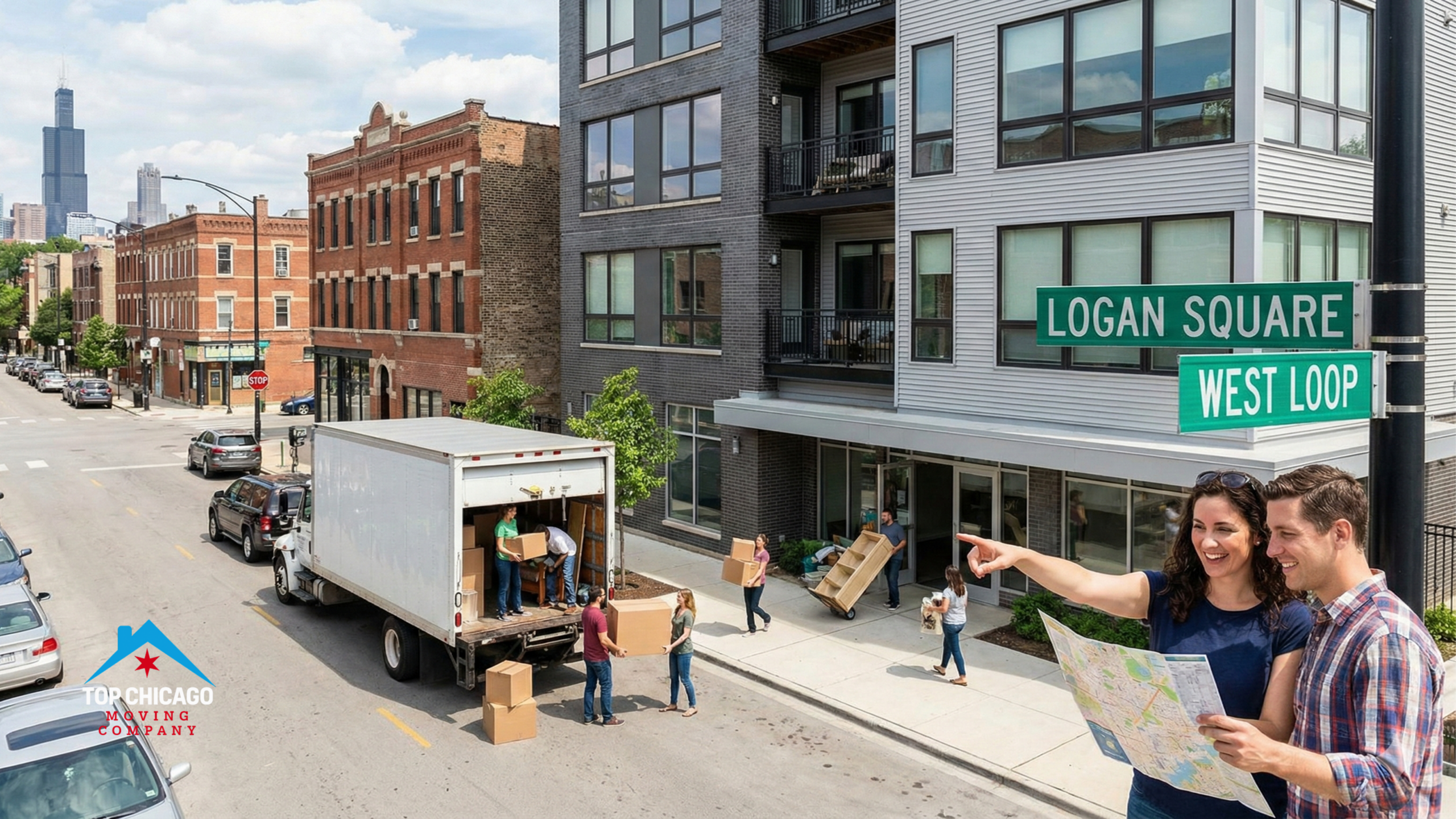
Moving day brings enough stress without having to navigate Chicago’s notoriously challenging traffic conditions. Between ongoing construction projects, frequent road closures, and the city’s dense urban layout, timing and route planning become crucial elements of a successful move. Understanding how to work around these obstacles can save hours of frustration and ensure your belongings arrive safely at their destination.
Chicago’s infrastructure is constantly evolving, with major construction projects affecting different areas throughout the year. From seasonal road work to long-term transit improvements, these factors can significantly impact moving day logistics. However, with proper planning and local knowledge, you can minimize delays and keep your move on schedule.
Understanding Chicago’s Traffic Patterns
Rush Hour Considerations
Chicago’s rush hours typically run from 7:00 AM to 9:00 AM and 4:30 PM to 6:30 PM on weekdays, but traffic can remain heavy well beyond these times. Lake Shore Drive, the Kennedy Expressway (I-90/94), and the Eisenhower Expressway (I-290) experience particularly severe congestion during these periods.
For residential moving purposes, planning your move outside these peak hours can dramatically reduce travel time. Early morning starts before 7:00 AM or mid-morning departures after 9:30 AM often provide the clearest roads for moving trucks.
Weekend vs. Weekday Moving
While weekends typically see less commuter traffic, they often coincide with increased construction activity and special events that can create unexpected delays. Saturday mornings generally offer the best balance of lighter traffic and fewer construction-related lane closures.
Sunday moving can be advantageous in some areas but may present challenges if you need access to services like storage facilities or utility companies that have limited weekend hours.
Seasonal Traffic Variations
Summer months bring increased tourist traffic, especially around popular destinations like Navy Pier, Millennium Park, and the lakefront. Beach-goers can create significant congestion along Lake Shore Drive and connecting streets during warm weekends.
Winter weather adds another layer of complexity, with snow and ice potentially closing roads or creating hazardous driving conditions for moving trucks. Chicago’s aggressive snow removal efforts mean that major streets are typically cleared quickly, but side streets may remain problematic for larger vehicles.
Major Construction Projects and Their Impact
Ongoing Infrastructure Improvements
Chicago consistently maintains active construction projects across the city, from CTA line improvements to major highway reconstruction. The Jane Byrne Interchange, connecting I-90, I-94, and I-290, frequently experiences lane restrictions that can affect traffic flow throughout the downtown area.
Red Line extension projects, Blue Line improvements, and various street reconstruction projects can significantly impact moving routes. These projects often involve multiple phases spanning several years, making it essential to check current conditions rather than relying on outdated information.
Seasonal Road Work
Chicago’s harsh winters limit road construction to warmer months, creating a concentrated period of activity from April through October. This “construction season” means that summer and fall moves are more likely to encounter work zones and lane restrictions.
Street resurfacing projects often affect entire neighborhoods, potentially blocking access to residential areas for moving trucks. These projects typically last several days to weeks, depending on the scope of work involved.
Navigating Chicago’s Unique Road Layout
The Grid System Advantages
Chicago’s grid system provides multiple route options between any two points, which can be invaluable when construction or accidents block primary routes. Understanding the major north-south and east-west arteries allows for quick route adjustments when needed.
Streets like Western Avenue, Ashland Avenue, and Halsted Street provide north-south alternatives to the often-congested Lake Shore Drive. Similarly, streets like North Avenue, Fullerton Avenue, and Belmont Avenue offer east-west alternatives to highway travel.
Bridge and Drawbridge Considerations
Chicago’s extensive river system means that many routes involve bridges, some of which are drawbridges that periodically open for boat traffic. During boating season (typically May through October), drawbridge openings can cause significant delays, particularly along the Chicago River.
The most problematic drawbridges for moving traffic include those on Lake Shore Drive, Michigan Avenue, and various bridges crossing the Chicago River downtown. Timing your route to avoid peak boating hours can help minimize these delays.
Neighborhood-Specific Challenges
Dense neighborhoods like Lincoln Park, Lakeview, and Wicker Park present unique challenges with narrow streets, limited parking, and heavy pedestrian traffic. These areas often require smaller moving trucks or creative loading strategies to navigate successfully.
The Loop’s one-way street system can be particularly confusing for drivers unfamiliar with the area. Planning routes in advance and having backup options helps avoid getting stuck in the wrong lane or heading in the wrong direction.
Planning Tools and Resources
Real-Time Traffic Apps
Applications like Google Maps, Waze, and Apple Maps provide real-time traffic information and can suggest alternate routes when delays occur. However, these apps may not account for the specific needs of moving trucks, such as height restrictions or weight limits.
For moving purposes, it’s helpful to check multiple sources and have backup routes planned in advance rather than relying entirely on real-time suggestions that might not be suitable for larger vehicles.
City of Chicago Resources
The Chicago Department of Transportation (CDOT) maintains current information about planned construction projects, street closures, and major events that could affect traffic. Their website provides advance notice of planned closures, allowing for better route planning.
The city’s 311 system can provide information about unexpected closures or emergency road conditions that might not appear in standard traffic apps immediately.
Moving Company Expertise
Experienced Chicago moving companies possess invaluable local knowledge about the best routes, typical problem areas, and how to navigate the city’s unique challenges. Professional movers often have relationships with building management companies and understand parking restrictions that could affect your move.
When selecting moving services, ask about their experience with your specific neighborhoods and whether they have contingency plans for common Chicago traffic scenarios.
Securing Moving Permits and Parking
Chicago Moving Permits
While Chicago doesn’t require special permits for most residential moves, certain situations may require permissions or notifications. Large moving trucks might need special clearances for certain routes, and some buildings require advance notification for moves.
Commercial moving projects may have additional permit requirements, particularly in the downtown area where loading zones and timing restrictions are more stringent.
Parking Reservations
Many Chicago neighborhoods offer temporary no-parking zone requests for moving trucks. These reservations typically need to be made several days in advance and may require fees, but they can be essential for ensuring access to your building on moving day.
Building management companies in high-rise buildings often coordinate with the city to reserve loading zones and may have specific procedures for scheduling freight elevator access that coincides with exterior parking permissions.
Alternative Loading Strategies
When traditional curbside loading isn’t possible, experienced movers may use alternative strategies like positioning trucks in nearby alleys, using smaller vehicles for shuttle runs, or scheduling moves during off-peak hours when temporary parking might be more available.
Some neighborhoods have loading docks or designated moving areas that can accommodate larger trucks more easily than street-side loading.
Dealing with Unexpected Delays
Building Flexibility Into Your Schedule
Chicago’s unpredictable traffic conditions make it essential to build buffer time into moving day schedules. Plan for moves to take longer than estimated, particularly if traveling across multiple neighborhoods or during peak traffic periods.
Consider the cumulative effect of multiple stops, such as picking up items from storage or making deliveries to different family members. Each stop adds potential delay time that can compound throughout the day.
Communication Strategies
Maintain open communication with all parties involved in your move, including family members, building management, and service providers. Having everyone’s contact information readily available allows for quick updates if delays occur.
If using professional moving services, ensure you understand their policies for delays caused by traffic or road conditions, and discuss contingency plans in advance.
Backup Plan Development
Develop backup plans for common scenarios like major route closures or unexpected weather conditions. This might include identifying alternative routes, having contact information for overnight storage facilities, or understanding policies for rescheduling moves.
Consider the implications of delays on other scheduled activities, such as utility connections, cleaning services, or lease agreements that might have specific timing requirements.
Special Event Considerations
Chicago’s Event Calendar
Chicago hosts numerous large-scale events throughout the year that can significantly impact traffic patterns. Lollapalooza, Chicago Marathon, various street festivals, and sporting events can create massive traffic disruptions and road closures.
The Chicago Air and Water Show typically brings hundreds of thousands of visitors to the lakefront, making Lake Shore Drive and nearby areas nearly impassable during event periods. Similar impacts occur during major parades and festivals in different neighborhoods.
Sports and Entertainment Events
Games at Wrigley Field, Guaranteed Rate Field, United Center, and Soldier Field create predictable traffic patterns that can be planned around. However, playoff games or special events can create more severe congestion than regular season activities.
Concert venues like the Chicago Theatre, House of Blues, and various outdoor venues can create localized traffic issues, particularly in areas with limited parking and narrow streets.
Planning Around Events
Check event calendars for all areas you’ll be traveling through, not just your origin and destination neighborhoods. A festival in a neighborhood you’re passing through can create unexpected delays even if it doesn’t directly affect your starting or ending points.
Consider the timing of event setup and breakdown, which can create traffic issues before and after the actual events. Load-in and load-out for major events often begin days in advance and continue after the events conclude.
Weather-Related Challenges
Winter Moving Considerations
Chicago winters present unique challenges for moving, from icy sidewalks that make carrying items dangerous to snow accumulation that blocks access to buildings. Professional movers experienced in winter conditions have specialized equipment and techniques for safe winter moves.
Street parking becomes more complicated during winter months due to snow removal operations. Understanding Chicago’s snow route priorities and parking restrictions during snow emergencies is crucial for winter moving success.
Summer Heat and Storms
Summer thunderstorms can create sudden, severe traffic delays and may make it unsafe to continue moving activities. Having indoor waiting areas and flexible schedules helps accommodate weather-related delays.
Extreme heat can affect both the safety of movers and the condition of temperature-sensitive items. Planning summer moves during cooler parts of the day and ensuring adequate hydration and rest breaks becomes important for safety.
Spring and Fall Considerations
Spring typically brings increased road construction activity as projects suspended during winter resume. This can create new traffic patterns and delays compared to winter route options.
Fall weather can be unpredictable, with early snow storms or severe weather creating unexpected challenges. Having contingency plans for sudden weather changes helps ensure moving day success regardless of conditions.
Technology and Communication Tools
GPS and Navigation Apps
While GPS apps are helpful, they don’t always account for the specific needs of moving trucks. Height restrictions under certain bridges, weight limits on some streets, and turn radius requirements can make suggested routes unsuitable for larger vehicles.
Cross-referencing GPS suggestions with local knowledge and professional moving company recommendations helps ensure routes are actually viable for your specific moving truck size and weight.
Real-Time Updates
Social media platforms and neighborhood apps like Nextdoor often provide real-time updates about local traffic conditions, accidents, and unexpected closures that might not appear in official channels immediately.
Local news stations provide traffic updates that can be particularly valuable during severe weather events or major incidents affecting multiple routes across the city.
Professional Moving Company Technology
Many modern moving companies use GPS tracking and route optimization software that accounts for vehicle specifications and current traffic conditions. This technology can provide more accurate timing estimates than general-purpose navigation apps.
Communication systems that allow real-time updates between moving crews and customers help manage expectations and allow for quick decision-making when unexpected delays occur.
Cost Implications of Traffic Delays
Time-Based Service Charges
Most moving companies charge based on time and labor, meaning traffic delays directly increase moving costs. Understanding how your moving company handles delay charges helps avoid unexpected expenses.
Some companies offer flat-rate pricing that includes anticipated travel time, while others charge separately for actual travel time. Clarifying these details in advance helps with budget planning.
Additional Service Fees
Extended moving times might require additional services like overnight storage if moves can’t be completed as planned. Understanding these potential costs helps with financial planning and decision-making about timing and routes.
Parking violations, if moving trucks can’t secure proper loading zones, can add unexpected fines to moving costs. Proper permit acquisition and planning help avoid these additional expenses.
Working with Professional Movers
Local Expertise Value
Chicago-based moving companies possess invaluable knowledge about the city’s traffic patterns, construction schedules, and neighborhood-specific challenges. This expertise can be worth the investment in professional services even for moves you might otherwise handle yourself.
Experienced movers have developed relationships with building management companies, understand parking regulations across different neighborhoods, and know alternative routes that GPS apps might not suggest.
Equipment and Vehicle Considerations
Professional moving companies maintain fleets of vehicles in different sizes, allowing them to select the most appropriate truck for your specific route and neighborhood constraints. This flexibility can be crucial in areas with height restrictions or narrow streets.
Specialized equipment for navigating stairs, protecting flooring, and handling bulky items can make moves more efficient even when traffic delays occur, helping minimize the overall impact of transportation challenges.
Preparing for Success
Moving day in Chicago requires more planning than in many other cities, but the extra preparation pays off in reduced stress and successful outcomes. Understanding the city’s unique challenges and having strategies to address them makes the difference between a frustrating experience and a smooth transition to your new home.
The key to success lies in combining proper planning with flexibility. While you can anticipate many challenges and plan routes accordingly, Chicago’s dynamic urban environment means staying adaptable and having backup plans ready. Whether you’re handling the move yourself or working with professional movers, understanding these factors helps ensure your belongings arrive safely and on schedule.
Remember that Chicago’s traffic and construction challenges affect everyone, from first-time movers to experienced packing professionals. The city’s infrastructure improvements, while sometimes inconvenient in the short term, contribute to the long-term livability that makes Chicago such a desirable place to call home. With proper planning and realistic expectations, your moving day can be successful despite the urban challenges that make Chicago unique.