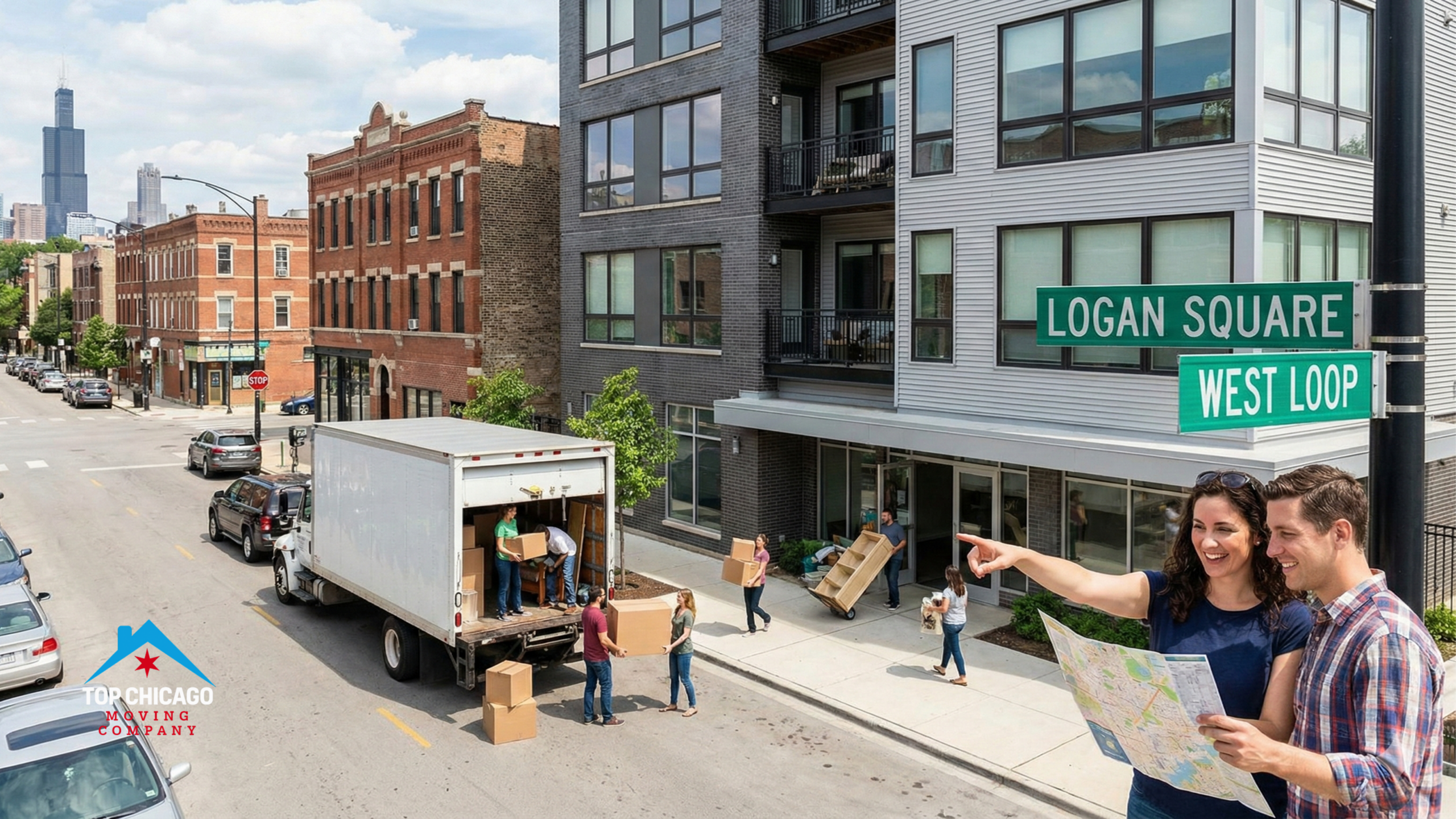
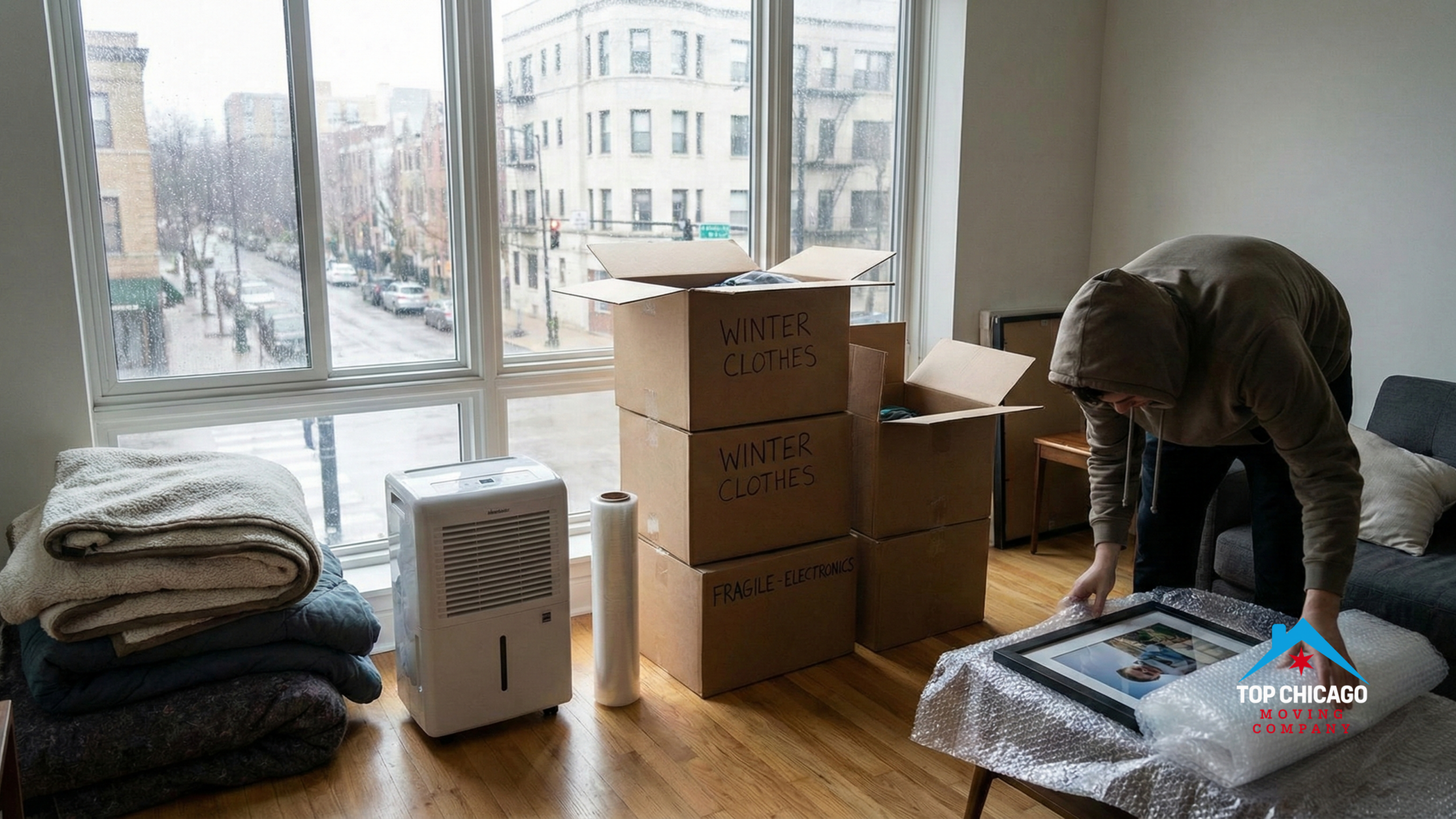
Moving to one of Chicago’s most desirable neighborhoods brings excitement and opportunity, but Lincoln Park’s unique characteristics require specific preparation for a smooth transition. This vibrant lakefront community offers an exceptional blend of urban amenities, green spaces, and cultural attractions that attract residents from across the metropolitan area.
Understanding Lincoln Park’s distinct features, from parking challenges to neighborhood dynamics, helps first-time residents prepare for the realities of life in this prestigious area. Whether you’re relocating from another Chicago neighborhood or moving to the city for the first time, knowing what to expect makes your transition significantly smoother.
Lincoln Park Neighborhood Overview
Geographic Boundaries and Location
Lincoln Park extends from North Avenue to Diversey Parkway, bounded by Lake Michigan to the east and the Chicago River to the west. This prime location provides residents with immediate access to both downtown Chicago and the lakefront, creating one of the city’s most coveted residential areas.
The neighborhood’s proximity to Lincoln Park Zoo, DePaul University, and numerous cultural attractions makes it particularly appealing to young professionals, families, and students. The area’s walkability score ranks among Chicago’s highest, with most daily necessities accessible within a few blocks.
Lincoln Park’s location along the Red and Brown CTA lines provides excellent public transportation access to downtown Chicago and other neighborhoods. Multiple bus routes serve the area, creating comprehensive public transit options for residents without cars.
The neighborhood’s lakefront position offers stunning views and recreational opportunities, but also influences weather patterns and parking availability. Understanding these geographic advantages and challenges helps new residents make the most of their Lincoln Park experience.
Distinct Neighborhood Areas
Mid-North comprises the area between North Avenue and Armitage, featuring some of Lincoln Park’s most expensive real estate and upscale dining options. This section attracts affluent professionals and offers proximity to downtown while maintaining a residential feel.
The DePaul area around Fullerton and Sheffield draws a younger demographic due to university proximity, creating a vibrant nightlife scene with numerous bars, restaurants, and student-friendly amenities.
Old Town Triangle, technically a separate neighborhood but often grouped with Lincoln Park, offers historic charm with tree-lined streets and Victorian architecture. This area provides a quieter residential atmosphere while maintaining easy access to Lincoln Park amenities.
Lakefront areas command premium prices due to lake views and park access, while western sections near the river offer more affordable options with easy downtown access via public transportation.
Housing Market and Real Estate Landscape
Housing Types and Architecture
Lincoln Park showcases diverse housing options from historic brownstones and vintage walk-ups to modern high-rise condominiums and luxury townhomes. The neighborhood’s architectural variety reflects different development periods and provides options for various lifestyle preferences and budgets.
Victorian-era homes and converted mansions offer character and space but may require ongoing maintenance and updates. These properties often feature unique architectural details and generous room sizes that modern developments can’t match.
High-rise condominiums along the lakefront provide modern amenities, doorman services, and stunning lake views, but typically come with higher association fees and less living space per dollar compared to vintage options.
Walk-up apartments remain popular among young professionals and offer more affordable entry points into the neighborhood. These buildings typically feature two to four units and provide a middle ground between single-family living and high-rise convenience.
Rental Market Dynamics
Lincoln Park’s rental market is highly competitive, with desirable units receiving multiple applications within days of listing. Successful renters often need to act quickly with complete application materials and proof of income readily available.
Peak rental season runs from May through September, coinciding with college graduation and typical moving patterns. During this period, rent prices reach their highest levels and apartment availability becomes most limited.
Winter months offer better rental deals and more negotiating power as demand decreases and landlords become more motivated to fill vacant units. However, apartment selection becomes more limited during off-peak periods.
Most Lincoln Park rentals require good credit scores, proof of income at 2.5-3 times monthly rent, and first month’s rent plus security deposit upfront. Some competitive properties may require additional deposits or guarantors for applicants with limited credit history.
Purchasing Considerations
Lincoln Park’s property values have shown consistent growth over decades, making homeownership a potentially sound investment despite high entry costs. However, market conditions and interest rates significantly affect affordability and available inventory.
Condo assessments and property taxes can add substantial monthly costs beyond mortgage payments. Researching building financials and tax history helps buyers understand total ownership costs before making offers.
Parking inclusion significantly affects property values, with deeded parking spaces adding $30,000-$50,000 to purchase prices. Properties without parking require residents to secure separate parking arrangements in an area with limited availability.
Historic building conversions may have unique challenges including limited parking, older building systems, and potential special assessments for building improvements or repairs.
Transportation and Getting Around
Public Transportation Access
The Red Line serves Lincoln Park through Fullerton and North/Clybourn stations, providing direct access to downtown Chicago in 15-20 minutes. This rapid transit connection makes car-free living viable for many residents working downtown.
Brown Line access through Armitage and Fullerton stations offers alternative downtown routes and connections to Chicago’s northwest side. The Brown Line typically provides a more comfortable ride with less crowding than the Red Line.
Multiple bus routes including the 8 Halsted, 74 Fullerton, and 151 Sheridan provide east-west connectivity and fill gaps in the rail network. These routes connect Lincoln Park to other neighborhoods and shopping areas throughout the city.
CTA service frequency varies by time of day and route, with peak hour service every 3-5 minutes on major lines and reduced frequency during evenings and weekends. Understanding service patterns helps residents plan travel times effectively.
Driving and Parking Challenges
Street parking in Lincoln Park operates under permit systems, with most residential streets requiring zone permits that cost approximately $150 annually. Visitor parking is extremely limited, often requiring permits or time restrictions.
Traffic congestion during rush hours affects major streets including Lake Shore Drive, Lincoln Avenue, and Clark Street. Travel times can double during peak periods, making public transportation more reliable for commuting.
Winter parking restrictions add complexity during snow season, with alternate-side parking rules and overnight parking bans during snow emergencies. Violating these restrictions results in expensive tickets and potential towing.
Private parking options including monthly garage rentals typically cost $200-$400 per month, representing a significant ongoing expense for residents requiring guaranteed parking access.
Biking and Walking
Lincoln Park offers excellent walkability with most daily needs accessible within 10-15 minutes on foot. The neighborhood’s grid street pattern and sidewalk network support pedestrian travel year-round.
The Lakefront Trail provides scenic biking and running routes connecting Lincoln Park to other lakefront neighborhoods and downtown Chicago. This 18-mile trail represents one of Chicago’s premier recreational amenities.
Divvy bike share stations throughout Lincoln Park provide convenient short-term bike access for residents and visitors. Annual memberships offer cost-effective transportation for short trips within the city.
Winter weather significantly impacts biking conditions, with snow and ice making cycling dangerous or impossible for extended periods. Residents relying on bikes need alternative transportation plans during harsh weather.
Dining and Entertainment Scene
Restaurant Diversity and Quality
Lincoln Park boasts one of Chicago’s most diverse dining scenes, from casual neighborhood spots to nationally recognized fine dining establishments. The concentration of quality restaurants rivals downtown areas while maintaining a neighborhood atmosphere.
Halsted Street serves as a primary dining corridor with dozens of restaurants representing various cuisines and price points. This strip provides easy access to everything from quick lunch spots to special occasion destinations.
The neighborhood’s proximity to DePaul University ensures numerous student-friendly options including pizza places, coffee shops, and casual dining establishments that offer good value and late-night hours.
Seasonal outdoor dining becomes a neighborhood highlight during warmer months, with many restaurants offering sidewalk seating and patio dining that enhances the area’s vibrant street life.
Nightlife and Entertainment
Lincoln Park’s nightlife caters to diverse demographics, from college students to young professionals to long-term residents. The variety ensures entertainment options for different age groups and interests.
Sports bars and casual pubs dominate the scene near DePaul, creating a energetic atmosphere during college sports seasons and providing gathering spots for students and young alumni.
Upscale wine bars and cocktail lounges along Lincoln Avenue and Clark Street attract working professionals and offer more sophisticated evening entertainment options.
The neighborhood’s proximity to Second City and other comedy venues provides easy access to Chicago’s renowned entertainment scene, while local venues host live music and other performances.
Cultural Attractions and Activities
Lincoln Park Zoo offers free admission year-round and serves as a major neighborhood amenity, providing recreational opportunities and hosting special events throughout the year.
The Chicago History Museum located in the neighborhood provides cultural enrichment and educational programming for residents and visitors interested in local history and culture.
Lincoln Park Conservatory offers a tropical escape during Chicago’s harsh winters and serves as a popular destination for both relaxation and photography.
Numerous festivals and outdoor events take place in Lincoln Park throughout the year, including art fairs, music festivals, and seasonal celebrations that build community connections.
Shopping and Daily Necessities
Grocery and Essential Shopping
Lincoln Park provides multiple grocery options including Whole Foods, Jewel-Osco, and Trader Joe’s, ensuring residents have access to various price points and product selections without leaving the neighborhood.
The Whole Foods on North Halsted serves as a neighborhood anchor, offering premium groceries, prepared foods, and specialty items. However, prices tend to be higher than other options.
Smaller specialty markets and convenience stores fill gaps in grocery coverage and provide late-night and emergency shopping options. These stores often carry unique products and serve specific dietary needs.
Target and CVS locations provide household essentials, pharmacy services, and basic retail needs without requiring travel to suburban shopping centers or downtown areas.
Retail and Shopping Districts
Lincoln Avenue features numerous boutiques, specialty shops, and service providers that cater to neighborhood residents. This shopping strip offers unique items and personalized service not available at chain retailers.
The Armitage shopping district extends into Lincoln Park and provides access to both national retailers and local boutiques, creating a comprehensive shopping experience within walking distance.
Clark Street offers various retail options mixed with dining and entertainment establishments, creating a vibrant commercial corridor that serves daily needs while supporting the neighborhood’s social scene.
Online shopping and delivery services have become increasingly important for Lincoln Park residents, with most major retailers offering delivery options that overcome parking and transportation challenges.
Education and Schools
Chicago Public Schools
Lincoln Park is served by several highly-rated Chicago Public Schools, making it attractive to families with school-age children. However, school assignment policies and enrollment processes can be complex for new residents.
Lincoln Elementary School and other neighborhood schools typically have strong academic reputations and active parent communities. However, high demand means enrollment is not guaranteed even for neighborhood residents.
The Chicago Public Schools choice system allows families to apply to schools throughout the city, but popular schools often have waiting lists and competitive admission processes.
Understanding school boundaries, application deadlines, and selection criteria is crucial for families planning to rely on public education options in Lincoln Park.
Private and Alternative Education
Numerous private schools serve Lincoln Park families, ranging from traditional academic institutions to alternative educational philosophies. These options provide alternatives to public schools but come with significant tuition costs.
DePaul University’s presence in the neighborhood creates educational opportunities including continuing education programs, cultural events, and access to university facilities for community members.
The Francis Parker School and other prestigious private institutions attract families from throughout the Chicago area, contributing to Lincoln Park’s reputation as an education-focused community.
Preschools and daycare centers throughout Lincoln Park serve working families, but waiting lists are common and costs can be substantial for quality care options.
Healthcare and Services
Medical Care Access
Lincoln Park provides excellent access to healthcare services with numerous medical practices, specialists, and urgent care facilities located within the neighborhood or nearby areas.
Northwestern Memorial Hospital and other major medical centers are easily accessible from Lincoln Park, providing emergency care and specialized services when needed.
The concentration of healthcare providers makes finding doctors, dentists, and specialists convenient, though popular practices may have limited appointment availability for new patients.
Many healthcare providers in Lincoln Park accept various insurance plans, but verifying coverage and network participation is important when selecting providers.
Professional and Personal Services
Lincoln Park offers comprehensive professional services including banks, law offices, accounting firms, and real estate agencies that serve both residents and the broader Chicago area.
Personal services including hair salons, spas, fitness centers, and dry cleaners are abundant throughout the neighborhood, often within walking distance of residential areas.
The neighborhood’s affluent demographics support premium service providers, but budget-friendly options are also available for various services and needs.
Service quality tends to be high due to competition and discerning clientele, but prices may be elevated compared to less affluent neighborhoods.
Safety and Community
Crime Statistics and Safety Measures
Lincoln Park generally maintains lower crime rates than many Chicago neighborhoods, though property crime including bike theft and car break-ins still occurs regularly.
The neighborhood’s active street life and high pedestrian traffic provide natural surveillance that contributes to overall safety, particularly in commercial areas and along major streets.
Chicago Police Department’s 18th District serves Lincoln Park with regular patrols and community policing initiatives. Response times are generally good due to the neighborhood’s priority status.
Residents should remain aware of surroundings and take standard urban precautions, particularly regarding expensive items and late-night activities in less populated areas.
Community Engagement
The Lincoln Park Neighborhood Association provides community advocacy, organizes events, and serves as a voice for resident concerns with city government and local issues.
Numerous community groups focus on specific interests including gardening, running, book clubs, and professional networking, providing opportunities for new residents to build connections.
Social media groups and neighborhood apps like Nextdoor facilitate communication between neighbors and provide platforms for sharing information, recommendations, and community concerns.
Volunteer opportunities through local organizations, schools, and community groups allow residents to contribute to neighborhood improvement while building social connections.
Seasonal Considerations and Weather
Lakefront Weather Effects
Lincoln Park’s lakefront location moderates temperatures compared to inland Chicago areas, creating cooler summers and slightly milder winters that affect daily planning and activities.
Lake-effect weather patterns can create sudden changes in conditions, particularly during transitional seasons when temperature differences between land and water are most pronounced.
Summer lakefront breezes provide natural cooling but can create unpredictable wind conditions that affect outdoor activities and building ventilation.
Winter lake-effect snow can create localized heavy snowfall that impacts travel and parking, sometimes differing significantly from conditions just a few miles inland.
Seasonal Activity Patterns
Summer brings peak activity to Lincoln Park with outdoor festivals, crowded lakefront areas, and vibrant street life that transforms the neighborhood’s energy and social dynamics.
Winter activities shift indoors with restaurants, bars, and cultural venues becoming primary gathering spaces. The neighborhood remains active but with different social patterns and routines.
Spring and fall offer ideal conditions for exploring Lincoln Park’s outdoor amenities including parks, lakefront trails, and street festivals that showcase the neighborhood’s character.
Seasonal changes affect everything from parking availability to restaurant seating to community event schedules, requiring residents to adapt routines throughout the year.
Moving Day Logistics in Lincoln Park
Building and Moving Restrictions
Many Lincoln Park buildings have specific moving policies including required reservations for elevators, designated moving hours, and deposit requirements for potential damage.
High-rise buildings often restrict moving to specific days and times to minimize disruption to residents and building operations. Advanced planning and coordination with building management is essential.
Street parking for moving trucks requires permits in most Lincoln Park areas, and availability can be extremely limited during peak moving seasons and in high-density areas.
Professional residential moving services experienced with Lincoln Park can navigate building requirements and obtain necessary permits more efficiently than DIY moves.
Access and Logistics Challenges
Narrow streets and limited parking create challenges for large moving trucks, potentially requiring smaller vehicles or multiple trips for complex moves.
Distance from curb to building entrances can be significant in some areas, requiring careful planning for moving heavy items and multiple loads of belongings.
Elevator access and building security protocols may require coordination with building management and can create delays if not properly arranged in advance.
Professional packing services can be particularly valuable in Lincoln Park due to building restrictions and access challenges that make DIY moves more complicated.
Cost of Living Expectations
Housing Costs
Lincoln Park represents one of Chicago’s most expensive neighborhoods for housing, with rent and purchase prices significantly above city averages. Budget planning should account for premium pricing across all housing types.
Utilities costs may be higher than expected due to older buildings with less efficient heating and cooling systems, particularly in vintage properties with character features.
Association fees for condominiums can range from modest to substantial depending on building amenities and age, adding significant monthly costs beyond mortgage or rent payments.
Parking costs, whether through building fees or separate rental agreements, add substantial monthly expenses for residents requiring guaranteed vehicle access.
Daily Living Expenses
Dining and entertainment costs in Lincoln Park tend to be elevated compared to other Chicago neighborhoods, reflecting the area’s affluent demographics and high-quality establishments.
Grocery and retail prices at neighborhood stores may be higher than suburban alternatives, though competitive options exist for budget-conscious shoppers.
Service