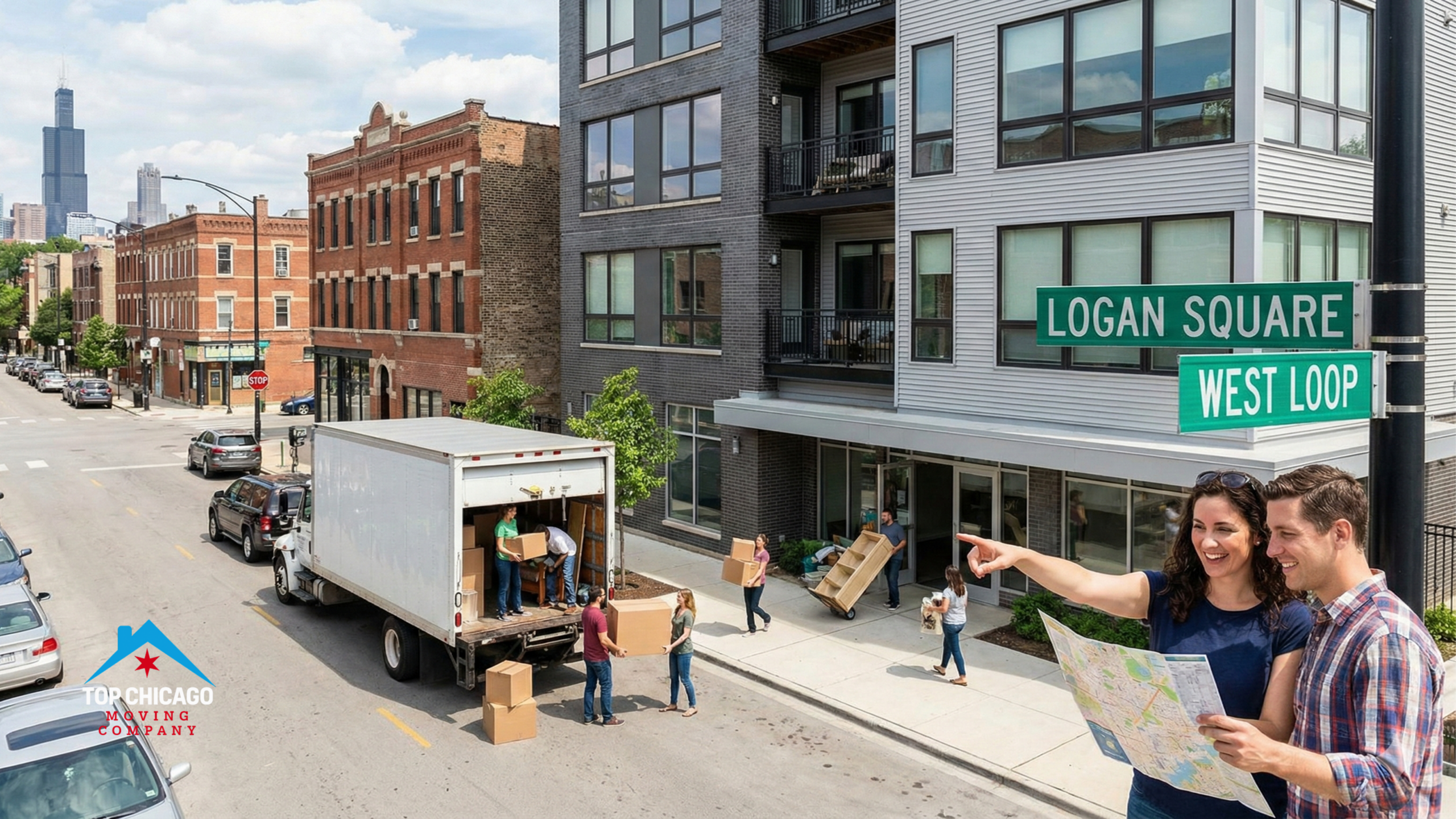
Moving in Chicago requires careful navigation of the city’s complex parking regulations and limited street space. Whether you’re relocating to a high-rise downtown or a cozy neighborhood bungalow, understanding Chicago’s parking rules and securing appropriate permits can make the difference between a smooth move and a costly, stressful experience.
The key to successful moving parking in Chicago lies in advance planning, understanding local regulations, and knowing your options for different types of moves. From residential permits to commercial loading zones, each situation requires specific preparation to avoid tickets, towing, and delays on moving day.
Understanding Chicago’s Parking Regulations
Basic Parking Rules for Moving Trucks
Chicago enforces strict parking regulations that apply differently to moving trucks than personal vehicles. Moving trucks are typically classified as commercial vehicles, subjecting them to specific restrictions on residential streets, particularly regarding overnight parking and weekend limitations.
Most residential areas restrict commercial vehicle parking to two hours during business hours, with complete prohibition during overnight hours and weekends. These restrictions apply regardless of whether you’re loading or unloading, making proper permits essential for any move requiring extended time.
Street cleaning schedules add another layer of complexity to moving parking. Posted signs indicate specific days and times when parking is prohibited for street cleaning, and these restrictions are strictly enforced with immediate towing for violations.
Loading zones throughout the city are designated for commercial use but often require permits or have time limitations. Understanding which loading zones are available for public use versus those reserved for specific businesses helps in planning your moving route and parking strategy.
Permit Requirements and Types
Chicago requires permits for most moving truck parking that exceeds standard time limits or occurs in restricted areas. The Chicago Department of Transportation (CDOT) issues several types of permits that may apply to your moving situation.
Temporary parking permits allow extended parking in areas where commercial vehicles are normally restricted. These permits typically cost between $25-$100 depending on duration and location, and must be obtained in advance through the city’s permitting system.
Loading zone permits provide access to designated loading areas for extended periods. These permits are particularly valuable in busy commercial areas or neighborhoods with limited street parking options.
No parking zone creation allows you to temporarily restrict parking on a specific section of street adjacent to your moving location. This option provides guaranteed parking space but requires advance application and higher fees, typically ranging from $100-$300.
Types of Moving Parking Permits
Residential Moving Permits
Residential moves in Chicago typically require temporary parking permits that allow moving trucks to park in areas normally restricted to commercial vehicles. These permits specify exact locations, dates, and times when parking is authorized.
Standard residential moving permits allow parking for up to 12 hours within a 24-hour period. Extensions are possible but require additional applications and fees. The permit must be clearly displayed in the moving truck’s windshield and must match the exact vehicle information provided in the application.
Permits for residential moves in busy neighborhoods or areas with severe parking restrictions may require advance notice to neighbors or additional coordination with the city. Some historic districts or special zoning areas have unique requirements that must be addressed in the permit application.
Multiple vehicle permits may be necessary for large moves requiring several trucks or when using both moving trucks and personal vehicles for transportation. Each vehicle requires separate permit documentation and fees.
Commercial Moving Permits
Commercial moves often require more complex permitting due to larger vehicles, extended timeframes, and locations in busy business districts. Commercial permits typically cost more than residential permits but provide greater flexibility in vehicle size and parking duration.
Loading dock permits may be required for commercial moves involving buildings with dedicated loading facilities. These permits coordinate with building management and ensure access during specified times without conflicting with other businesses or deliveries.
Multi-day commercial moving permits accommodate complex relocations that require several days to complete. These permits include provisions for secure overnight parking and may require additional security measures or insurance coverage.
Street closure permits for major commercial moves allow temporary restriction of traffic lanes or entire street sections. These permits require significant advance planning, traffic management plans, and coordination with multiple city departments.
How to Obtain Moving Parking Permits
Online Application Process
Chicago’s permit system operates primarily through online applications submitted to CDOT. The digital application process requires specific information about your move, including exact addresses, vehicle specifications, and requested parking times.
Vehicle information required for permits includes license plate numbers, truck dimensions, and weight specifications. Moving companies typically provide this information, but if you’re handling your own move, you’ll need to obtain vehicle specifications from your rental company.
Location details must include specific street addresses and desired parking locations with cross-street references. GPS coordinates or detailed location descriptions help ensure permits are issued for the correct locations.
Time specifications should include requested start and end times with some buffer for unexpected delays. Permits are issued for specific time windows, and parking outside permitted hours can result in tickets or towing despite having valid permits.
Required Documentation
Proof of insurance is required for most moving parking permits, demonstrating coverage for potential damage to city property or other vehicles. Moving companies typically provide this documentation, but self-movers must ensure their rental insurance meets city requirements.
Building permits or lease agreements may be required to verify legitimate need for moving parking at specific locations. Property management companies or landlords can often provide necessary documentation for permit applications.
Business licenses are required for commercial moving permits when the move involves business operations or commercial properties. Professional moving companies handle these requirements, but businesses managing their own moves must ensure proper licensing documentation.
Payment information and fees must be submitted with permit applications. Most permits require payment in advance, and processing times may vary depending on permit type and application completeness.
Application Timeline and Processing
Standard moving permits require a minimum of 5-7 business days for processing, but complex permits or those in high-demand areas may require 2-3 weeks. Peak moving seasons (summer months and end/beginning of month periods) often experience longer processing times.
Rush processing is available for emergency moves or situations requiring expedited permits, but additional fees apply and availability is not guaranteed. Rush processing typically reduces wait times to 2-3 business days.
Permit modifications or changes require separate applications and may not be available once permits are issued. Planning moves with some flexibility helps avoid the need for modifications that could cause delays or additional costs.
Permit pickup or delivery options vary depending on permit type and payment method. Electronic permits sent via email are becoming more common, but some situations still require physical permit documents.
Parking Zones and Restrictions
Residential Area Regulations
Chicago’s residential neighborhoods have varying parking regulations that affect moving truck placement. Single-family home areas typically offer more flexibility than dense apartment districts, but all residential areas maintain restrictions on commercial vehicle parking.
Permit parking zones require residential permits for any parking, including moving trucks. These areas, marked with specific signage, require special consideration when planning moves and may limit permit availability.
School zones and hospital areas have enhanced restrictions that affect moving parking availability. These zones often prohibit large vehicle parking entirely during specific hours, requiring careful timing or alternative parking arrangements.
Neighborhood parking restrictions may include resident-only parking, time limits, or vehicle size restrictions that affect moving truck placement. Understanding local regulations helps avoid conflicts with existing parking rules.
Commercial District Considerations
Downtown Chicago and major commercial districts maintain strict parking regulations designed to maintain traffic flow and support business operations. Loading zones are typically reserved for active loading and unloading, with time limits strictly enforced.
Metered parking areas rarely accommodate moving trucks due to space limitations and meter feeding requirements. Most commercial areas require permits for any extended parking by large vehicles.
Business district towing is aggressive and immediate for parking violations. Improperly parked moving trucks in commercial areas face rapid towing, resulting in significant fees and delays in moving schedules.
Peak business hours in commercial districts may prohibit moving truck parking entirely. Planning commercial area moves for early morning, evening, or weekend hours often provides better parking availability.
Special Event and Construction Zones
Chicago’s frequent special events, construction projects, and street festivals create temporary parking restrictions that can affect moving plans. These restrictions often take precedence over standard parking permits.
Construction zones may eliminate parking options entirely or create safety hazards for moving operations. Checking current construction schedules and road closures helps identify potential conflicts with planned moves.
Festival and event parking restrictions can extend several blocks from event locations and may last several days. Major events like street festivals, marathons, or concerts require checking event schedules when planning moves.
Emergency restrictions for utility work, emergency repairs, or public safety situations can override existing permits with little advance notice. Having backup parking plans helps accommodate unexpected restrictions.
Costs Associated with Moving Parking
Permit Fees Structure
Basic residential moving permits in Chicago typically range from $25-$60 for standard timeframes and locations. Fees increase based on permit duration, vehicle size, and location desirability.
Commercial moving permits generally cost $75-$200 depending on complexity, duration, and location. High-traffic commercial areas command premium permit fees due to limited availability and high demand.
No parking zone creation permits represent the most expensive option, ranging from $100-$500 depending on the length of street section and duration of restriction. These permits provide guaranteed parking space but at significant cost.
Multiple vehicle permits require separate fees for each vehicle, though some bulk discounts may apply for complex moves involving several trucks or extended timeframes.
Additional Costs and Penalties
Parking violation fines in Chicago are substantial and increase rapidly for moving truck violations. Basic parking violations start at $50-$100, but commercial vehicle violations often carry higher penalties.
Towing fees for improperly parked moving trucks can exceed $300, plus daily storage fees until vehicles are retrieved. Towing during moves creates significant delays and additional costs beyond basic fees.
Late permit applications may incur rush processing fees ranging from $50-$150 additional charges. These fees reflect the administrative cost of expedited processing but don’t guarantee permit availability.
Permit modification fees apply when changes are requested after initial permits are issued. These modifications typically cost $25-$50 and may not be available depending on permit type and timing.
Working with Professional Moving Companies
Moving Company Permit Services
Professional moving companies typically handle permit applications as part of their service packages. Experienced Chicago movers understand local regulations and can navigate the permit system efficiently.
Permit costs are usually included in moving quotes or charged as separate line items. Clarifying permit handling and costs during the estimate process helps avoid unexpected charges on moving day.
Moving company insurance typically covers permit requirements, but verifying coverage details ensures compliance with city requirements. Professional movers maintain appropriate insurance levels for permit applications.
Local moving expertise provides significant value in permit acquisition, as established companies understand seasonal patterns, high-demand areas, and potential complications that affect permit availability.
DIY Moving Permit Considerations
Self-service moves require personal responsibility for permit acquisition and compliance. Understanding the application process, required documentation, and timeline is essential for successful DIY permit management.
Rental truck companies may provide permit assistance or guidance, but responsibility for obtaining proper permits typically remains with the renter. Clarifying permit responsibility prevents misunderstandings and potential violations.
Insurance requirements for DIY moves must meet city permit standards, which may differ from basic rental truck insurance. Ensuring adequate coverage prevents permit application delays.
Backup planning becomes more critical for DIY moves, as professional movers typically have established relationships and alternatives when permit issues arise.
Common Parking Violations and How to Avoid Them
Frequent Violation Types
Parking in prohibited zones represents the most common moving truck violation in Chicago. These violations occur when trucks park in areas restricted to commercial vehicles without proper permits.
Exceeding permitted time limits results in violations even with valid permits. Permits specify exact timeframes, and parking beyond permitted hours can result in tickets or towing.
Improper permit display creates violations even when valid permits are obtained. Permits must be clearly visible in windshields with all information matching vehicle and location details.
Blocking fire hydrants, crosswalks, or accessibility ramps results in immediate towing regardless of permit status. These safety violations take precedence over moving permits.
Prevention Strategies
Double-checking permit details before moving day helps ensure compliance with all permit conditions. Verifying dates, times, locations, and vehicle information prevents common permit-related violations.
Arriving early to secure permitted parking prevents conflicts with other vehicles and ensures compliance with permit start times. Early arrival also allows time to address any unexpected parking issues.
Maintaining permit documentation in multiple formats (physical and digital copies) ensures permit information remains accessible throughout the move. Backup documentation prevents complications if original permits are lost or damaged.
Communication with building management, neighbors, and local authorities helps prevent conflicts and ensures smooth coordination during moves. Good communication often prevents parking-related problems before they occur.
Alternative Parking Solutions
Private Parking Options
Commercial parking lots may offer hourly or daily rates for moving truck parking when street options are limited. These facilities typically charge premium rates but provide guaranteed space and security.
Building loading docks can sometimes accommodate moving trucks through arrangement with property management. These arrangements may require advance scheduling and fees but provide convenient access.
Church parking lots and community spaces sometimes allow moving truck parking by arrangement. These options work particularly well for weekend moves when these facilities have lower usage.
Suburban parking with shuttle service involves parking moving trucks in less restricted areas and using smaller vehicles to transport items to final destinations. This approach requires additional labor but may be cost-effective in highly restricted areas.
Off-Peak Moving Strategies
Evening and early morning moves often encounter fewer parking restrictions and reduced enforcement in some areas. Coordinating moves during off-peak hours can provide better parking availability.
Weekend moves may offer different parking regulations in commercial areas, though residential restrictions often remain in effect. Understanding weekend regulation differences helps optimize moving timing.
Mid-month moves typically face less competition for permits and parking spaces compared to month-end periods when moving activity peaks. Flexible scheduling can improve parking options and reduce costs.
Off-season moves during winter months or non-peak periods often encounter reduced permit demand and better availability. Weather considerations must be balanced against parking advantages.
Neighborhood-Specific Parking Considerations
Downtown and Loop Area
Chicago’s Loop and downtown areas maintain the strictest parking regulations with aggressive enforcement and limited exceptions. Moving in these areas requires permits for almost any parking situation.
High-rise building moves in downtown areas often require coordination with building management for loading dock access or street-level parking arrangements. These buildings typically have established procedures for moving coordination.
Rush hour restrictions in downtown areas severely limit parking availability during peak business hours. Planning moves for early morning, evening, or weekend hours provides better options.
Valet parking areas and hotel zones have specific restrictions that affect moving truck placement. Understanding these specialized zones prevents conflicts and violations.
Popular Neighborhoods
Lincoln Park and Lakeview maintain active parking enforcement with significant resident-only zones. Permit requirements are standard for moving trucks in these high-density areas.
Wicker Park and Bucktown combine commercial and residential restrictions that vary by specific location within neighborhoods. Street-by-street regulation differences require detailed planning.
Old Town’s historic district status creates unique parking considerations with enhanced restrictions to preserve neighborhood character. Special permits or alternative arrangements may be necessary.
River North’s combination of high-rise residential and commercial properties creates complex parking situations requiring careful coordination with multiple building management companies.
Seasonal Parking Considerations
Winter Moving Challenges
Snow removal parking restrictions add complexity to winter moves in Chicago. Streets designated for snow removal may prohibit all parking during snow events, overriding existing permits.
Salt truck routes and snow plowing schedules create temporary restrictions that can affect moving parking. Monitoring weather forecasts and snow removal plans helps avoid conflicts.
Heating system access and emergency services may require clear street access during winter months. These requirements can affect parking availability in some neighborhoods.
Ice and snow accumulation can make loading zones and street parking dangerous for moving operations. Safety considerations may require alternative parking arrangements during severe weather.
Summer Peak Season
Chicago’s peak moving season during summer months creates high demand for permits and parking spaces. Advanced planning becomes more critical during these busy periods.
Festival season brings frequent street closures and parking restrictions throughout Chicago neighborhoods. Event schedules significantly impact parking availability during summer months.
Construction activity increases during summer months, creating additional parking restrictions and street closures that affect moving routes and parking options.
Tourist activity in popular neighborhoods increases parking competition and may affect permit availability in areas near major attractions.
Technology and Tools for Parking Management
Mobile Apps and Resources
Chicago’s parking app systems provide real-time information about parking restrictions, permit requirements, and meter availability. These tools help identify potential parking conflicts before they occur.
GPS routing applications increasingly include commercial vehicle restrictions and parking information. Using appropriate routing tools helps identify suitable parking locations along moving routes.
Permit tracking systems allow monitoring of application status and permit details through mobile devices. These systems provide convenient access to permit information during moves.
Building management applications used by many Chicago properties provide information about loading dock availability and reservation systems. Accessing these systems streamlines building coordination.
Planning and Coordination Tools
Street view mapping services help identify parking restrictions, loading zones, and potential obstacles before moving day. Virtual scouting of moving locations improves planning accuracy.
Weather monitoring applications provide advance warning of conditions that might affect parking restrictions or safety. Monitoring weather helps optimize moving timing.
Traffic and construction monitoring systems provide real-time information about road closures and construction activities that could affect parking availability.
Communication platforms for coordinating with building management, neighbors, and service providers help ensure smooth coordination of all moving logistics.
Successfully navigating Chicago’s complex parking regulations requires advance planning, proper permits, and understanding of local restrictions. The investment in