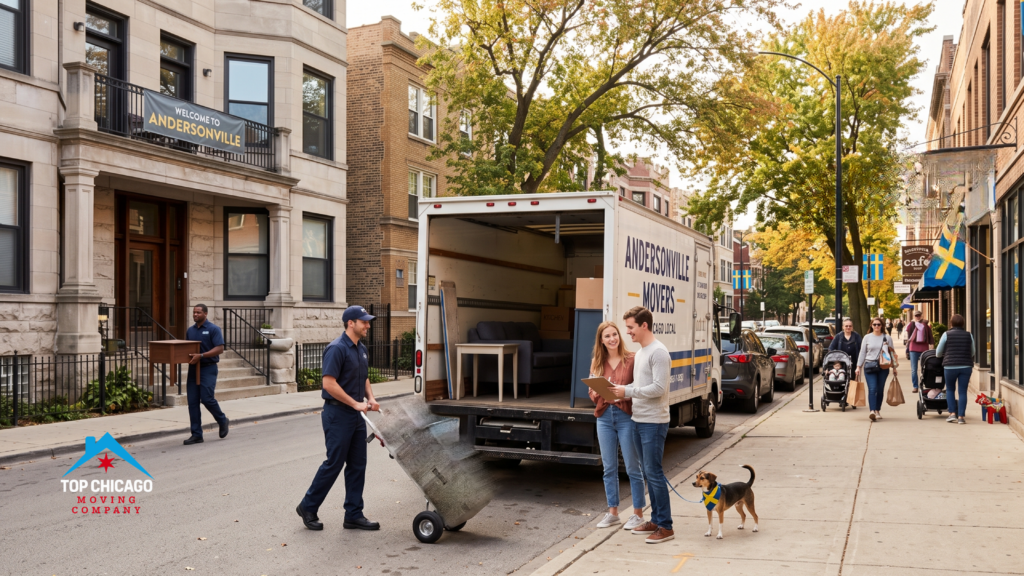
Andersonville sits on Chicago’s North Side as one of the city’s most charming and community-oriented neighborhoods. Known for its Swedish heritage, thriving LGBTQ+ community, and incredible concentration of independent businesses, Andersonville offers a small-town feel within the bounds of a major metropolitan city. This neighborhood has successfully maintained its distinct character while welcoming new residents from all walks of life. The tree-lined streets, historic buildings, and walkable business district create an environment that feels both established and constantly evolving. Andersonville consistently ranks among Chicago’s most livable neighborhoods, thanks to its safety, strong sense of community, and abundance of local amenities. Whether you’re drawn by the food scene, the tight-knit community, or the beautiful residential streets, this guide will help you understand what makes Andersonville special. Planning a move to this beloved neighborhood requires some specific knowledge about the area’s housing stock, parking situations, and community culture. A qualified
residential moving company familiar with Andersonville can help make your transition smooth and stress-free.
A Brief History of Andersonville
Andersonville’s story begins with Swedish immigrants who settled in the area during the late 1800s, drawn by affordable land and proximity to Lake Michigan. The neighborhood quickly developed into one of the largest Swedish communities in the United States outside of Sweden itself. Swedish businesses, churches, and cultural institutions flourished throughout the early 20th century, creating a distinct ethnic enclave with its own newspapers, social clubs, and traditions. Many of these institutions still exist today, preserving the neighborhood’s Scandinavian roots. The mid-20th century brought changes as many Swedish families moved to the suburbs, and the neighborhood experienced a period of transition. Andersonville began attracting a more diverse population, including significant LGBTQ+ residents who found acceptance and community in the area. By the 1990s and 2000s, Andersonville had transformed into a vibrant, inclusive neighborhood known for celebrating diversity while honoring its Swedish heritage. This unique combination created the welcoming, eclectic community that exists today. Modern Andersonville successfully balances historical preservation with progressive values, hosting Swedish heritage events alongside Pride celebrations and multicultural festivals. This blend of old and new gives the neighborhood its distinctive character. The commercial district along Clark Street reflects this history, with Swedish bakeries and shops standing alongside modern boutiques, diverse restaurants, and LGBTQ+-owned businesses that make Andersonville feel authentically inclusive.
Housing Types and Real Estate
Andersonville’s residential streets feature a diverse mix of housing styles that reflect the neighborhood’s century-plus development history, offering options for various lifestyles and budgets. Vintage courtyard apartment buildings are particularly common throughout the neighborhood, offering charming architectural details like decorative brickwork, arched entryways, and landscaped common areas. These buildings often provide more affordable rental options while maintaining historic character. Single-family homes range from modest bungalows to larger Victorian and Georgian-style houses. Many of these properties have been lovingly maintained or renovated, preserving original details while incorporating modern conveniences that today’s homeowners expect. Two-flat and three-flat buildings represent a significant portion of the housing stock, providing multi-generational living options or investment opportunities for owners who live in one unit while renting others. These buildings contribute to the neighborhood’s density and walkability. Condominium conversions have become increasingly popular, transforming older apartment buildings into individually owned units. These properties often retain vintage charm while offering the benefits of ownership and modern updates. Newer construction, while less common than in some Chicago neighborhoods, does exist and typically takes the form of infill development that respects the surrounding architectural context. These properties may offer modern amenities like in-unit laundry and updated systems. Housing costs in Andersonville tend to be moderate compared to some North Side neighborhoods, though prices have increased as the area’s popularity has grown. The neighborhood offers relatively good value for the amenities and community character it provides.
Getting Around Andersonville
Transportation options in Andersonville make car-free living feasible for many residents while still providing convenient access for those who prefer driving throughout the city. The CTA Red Line’s Bryn Mawr and Berwyn stations provide direct access to downtown Chicago and other North Side neighborhoods. This service runs 24 hours, making it convenient for residents with varying schedules or those who enjoy the city’s nightlife. Bus service throughout the neighborhood includes several routes that connect Andersonville to nearby areas and provide alternatives to the Red Line. These buses supplement train service and offer more direct routes to certain destinations. Clark Street itself functions as a pedestrian-friendly corridor where most daily errands can be accomplished on foot. This walkability is one of Andersonville’s most attractive features, reducing the need for vehicle trips for routine shopping and dining. Biking is popular throughout the neighborhood, supported by relatively flat terrain and increasing bike infrastructure. Many residents use bicycles for both recreation and practical transportation to nearby neighborhoods and lakefront paths. Street parking is generally available, though it requires permits in residential areas. The parking situation is typically less challenging than in denser neighborhoods closer to downtown, making car ownership more practical for residents who need vehicles. Proximity to Lake Shore Drive provides quick access for residents who commute by car or frequently travel to other parts of the city and suburbs. This connection makes Andersonville convenient for various commuting patterns.
The Andersonville Food and Business Scene
Clark Street serves as Andersonville’s commercial heart, featuring one of Chicago’s most impressive concentrations of independent restaurants, shops, and services within a walkable business district. Swedish heritage remains visible through establishments like Wikstrom’s Gourmet Food and the Swedish American Museum, which celebrate the neighborhood’s cultural roots. These businesses provide connections to Andersonville’s history while serving contemporary community needs. The dining scene showcases incredible diversity, with restaurants representing cuisines from around the world. From Middle Eastern and Thai to Italian and modern American, Andersonville’s food scene reflects the neighborhood’s inclusive, multicultural character. LGBTQ+-owned businesses contribute significantly to the neighborhood’s commercial identity, including bars, restaurants, and retail shops that have made Andersonville a welcoming destination for the LGBTQ+ community throughout Chicago. Independent bookstores, boutiques, and specialty shops line Clark Street, offering unique shopping experiences that support local entrepreneurs rather than national chains. This commitment to independent business helps maintain the neighborhood’s distinctive character. Coffee shops and cafes throughout the area serve as informal community gathering spaces where neighbors connect and remote workers find productive environments. These establishments often host community events and support local artists. The Andersonville Chamber of Commerce actively promotes local businesses through events like Midsommarfest, celebrating Swedish heritage, and various shopping promotions that encourage residents to support neighborhood commerce.
Community and Diversity
Andersonville’s identity centers on inclusivity and community connection, creating an environment where diverse populations coexist and contribute to a shared neighborhood culture. The LGBTQ+ community has found a welcoming home in Andersonville for decades, with the area developing a reputation as one of Chicago’s most accepting neighborhoods. This inclusive atmosphere attracts residents seeking community acceptance and support. Multi-generational families often choose Andersonville for its family-friendly amenities combined with urban convenience. The neighborhood attracts young professionals, families with children, and older residents who appreciate the walkable, community-oriented environment. Ethnic diversity extends beyond the historical Swedish community to include residents from various cultural backgrounds, creating a truly international neighborhood feel. This diversity is reflected in local businesses, restaurants, and community events. Neighborhood organizations actively work to maintain Andersonville’s inclusive character while addressing community needs and concerns. These groups organize events, advocate for local interests, and provide platforms for resident involvement. Community events throughout the year celebrate this diversity, from Pride celebrations to Swedish heritage festivals to multicultural food events. These gatherings bring residents together and showcase the neighborhood’s welcoming spirit. Safety and community watch programs contribute to Andersonville’s reputation as a secure neighborhood, with residents actively engaged in maintaining the area’s positive atmosphere and looking out for one another.
Parks and Recreation
Green spaces and recreational opportunities enhance Andersonville’s livability, providing residents with places to exercise, relax, and connect with neighbors outdoors. Foster Beach, located a short distance from the neighborhood, offers lakefront access for swimming, sunbathing, and recreational activities during Chicago’s warmer months. This beach access is a significant amenity for Andersonville residents. Local parks throughout the neighborhood provide space for various activities, from playgrounds for children to open areas for dog walking and casual recreation. These parks serve as important community gathering spaces. The lakefront trail system, accessible from nearby areas, offers extensive paths for running, biking, and walking along Lake Michigan. This connection to Chicago’s premier recreational amenity adds significant value to Andersonville living. Community gardens allow residents interested in gardening to participate in urban agriculture, growing vegetables and flowers while connecting with neighbors who share similar interests. Fitness studios and gyms throughout the neighborhood provide options for structured exercise, from yoga studios to traditional fitness centers. These businesses cater to health-conscious residents seeking convenient workout options. Winter recreation includes access to nearby ice skating and other cold-weather activities, ensuring year-round recreational opportunities despite Chicago’s challenging winter climate.
Making Your Move to Andersonville
Successfully relocating to Andersonville requires understanding some practical considerations that will help your moving day proceed smoothly. Street parking availability varies by specific location within the neighborhood, so scouting your new address beforehand helps identify the best options for moving truck placement. Some blocks offer more flexibility than others. Building access varies significantly depending on whether you’re moving into a vintage courtyard building, a single-family home, or a newer construction. Understanding these access points helps your moving team prepare appropriate equipment and strategies.
Professional packing services can be especially helpful for residents moving from larger suburban homes into more compact Andersonville housing, helping you make thoughtful decisions about what to bring and how to organize your new space efficiently. Timing your move to avoid neighborhood events and festivals can help prevent complications from street closures or increased traffic. Check the Andersonville Chamber of Commerce calendar before scheduling your moving date. Seasonal considerations matter in Chicago moves, with winter weather potentially complicating logistics. Plan accordingly and maintain flexibility in your moving schedule during colder months. Connecting with neighborhood associations and community groups before your move can help you quickly integrate into Andersonville’s active community life, providing valuable local knowledge and social connections. Andersonville offers a rare combination of small-town community feel, big-city amenities, and genuine inclusivity that makes it one