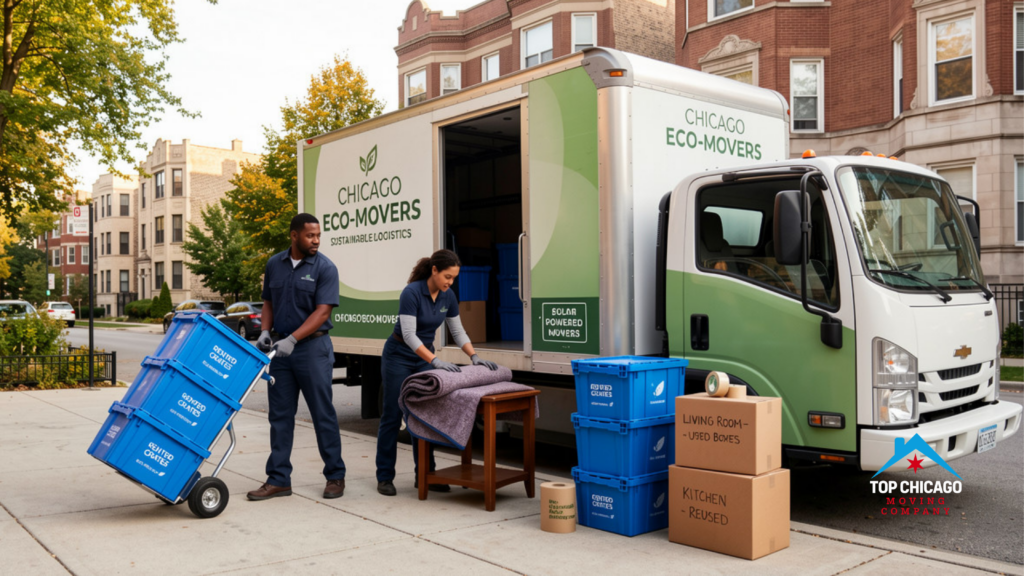
Moving to a new home is exciting, but let’s be honest, it can also generate a ton of waste. Between cardboard boxes, packing materials, and all that bubble wrap, a typical move can leave a pretty big environmental footprint. The good news is that with a little planning, you can make your Chicago move much more sustainable without sacrificing efficiency or convenience.
Whether you’re moving across Wicker Park or heading out to the suburbs, these eco-friendly moving tips will help you reduce waste, save money, and feel good about how you’re transitioning to your new space.
Start With a Decluttering Session
The most sustainable move is one where you’re not hauling stuff you don’t actually need. Before you even think about boxes, go through your belongings room by room and be honest with yourself about what you actually use.
Create three piles: keep, donate, and recycle or trash. Chicago has some fantastic donation options, including Goodwill locations throughout the city, The Salvation Army, and local organizations like Brown Elephant, which supports Howard Brown Health.
For furniture and larger items, check out the Rebuilding Exchange on the West Side. They accept gently used furniture and building materials, keeping usable items out of landfills while supporting affordable housing initiatives.
Decluttering before your move also means less for your residential moving team to pack and transport, which can actually save you money on moving costs too.
Rethink Your Packing Materials
Traditional moving supplies like bubble wrap and packing peanuts are convenient, but they’re not great for the environment. Luckily, there are plenty of alternatives that work just as well.
Use What You Already Have
Towels, blankets, and clothing make excellent padding for fragile items. Instead of buying bubble wrap, wrap your dishes and glassware in bath towels or t-shirts you’re already packing anyway. This method does double duty, protecting your items while reducing the number of boxes you need overall.
Rent Reusable Moving Bins
Several companies now offer reusable plastic moving bins that get delivered to your door, used for your move, then picked up and reused for the next customer. This is a great option if you want to skip cardboard altogether. Companies like BoxUp and Rent A Green Box service the Chicago area and are worth checking out.
Source Used Boxes
If reusable bins aren’t your thing, look for free cardboard boxes before buying new ones. Local liquor stores, bookstores, and grocery stores often have sturdy boxes they’re happy to give away. Facebook Marketplace and the Buy Nothing Project groups are also great resources for finding free moving boxes from people who just finished their own moves.
Choose Eco-Conscious Packing Supplies
When you do need to buy packing materials, look for sustainable options. Biodegradable packing peanuts made from cornstarch dissolve in water and won’t sit in a landfill for centuries like traditional foam versions.
Paper packing tape is another swap worth considering. Unlike plastic tape, it’s recyclable along with the cardboard boxes it’s sealing. Many office supply stores and moving supply retailers carry this option.
For fragile items, consider using recycled paper or newspaper instead of bubble wrap. It’s biodegradable, cheap, and often free if you save up newspapers in the weeks leading up to your move.
Donate Instead of Trash
Moving is the perfect time to give items a second life instead of sending them to a landfill. Beyond the standard donation centers, consider these Chicago-specific options.
Freecycle Chicago connects you with neighbors who want your unwanted items for free. This is especially useful for larger furniture pieces that are harder to transport to a donation center anyway.
The Chicago Furniture Bank accepts furniture donations and provides them to families in need, including refugees and individuals transitioning out of homelessness. Your old couch or dining table could make a real difference for someone starting fresh.
For electronics, check out Chicago’s electronics recycling programs. The city hosts regular collection events, and permanent drop-off locations exist throughout Chicago for items like old TVs, computers, and other electronics that shouldn’t go in regular trash.
Plan an Efficient Moving Route
Reducing the number of trips your moving truck makes is an easy way to cut down on fuel consumption and emissions. Working with an experienced local moving company that knows Chicago traffic patterns and can plan efficient routes makes a real difference.
If you’re moving within the city, consider timing your move to avoid rush hour traffic. Less time idling in traffic means less fuel burned and a lower carbon footprint for your move overall.
Consolidating your move into fewer trips, rather than multiple back-and-forth runs with a personal vehicle, is more efficient. This is one reason hiring professional movers can actually be greener than doing it yourself with multiple car trips.
Handle Electronics and Hazardous Materials Responsibly
Certain items require special disposal methods and shouldn’t just be tossed in with regular trash or recycling. Old paint cans, cleaning chemicals, batteries, and light bulbs all need proper disposal.
The City of Chicago hosts household chemicals and computer recycling facility events where residents can drop off these hazardous materials for free. Check the city’s website for upcoming collection dates before your move.
CVS, Best Buy, and various other retailers also offer battery and electronics recycling programs year round, making it easy to responsibly dispose of these items without waiting for a special collection event.
Think About Your New Home’s Sustainability Too
Once you’ve handled the moving process itself, consider how you can make your new Chicago home more environmentally friendly from the start.
Set up recycling and composting systems immediately upon arrival, rather than waiting until you’re settled. The City of Chicago offers curbside recycling, and composting programs are growing throughout various neighborhoods.
Consider energy-efficient upgrades if you’re moving into a home you own. LED light bulbs, smart thermostats, and energy-efficient appliances can significantly reduce your new home’s environmental impact and save you money on utility bills long term.
Work With Movers Who Share Your Values
Not all moving companies approach sustainability the same way. When researching movers, ask about their practices around fuel efficiency, packing material recycling, and truck maintenance.
Some moving companies offer specific eco-friendly packages, including reusable bins, biodegradable packing materials, or carbon offset programs. Don’t be afraid to ask these questions when getting quotes.
Professional movers who properly plan their routes and efficiently pack trucks are naturally more sustainable than less organized operations, since better planning means fewer trips and less wasted fuel.
Small Changes Add Up
You don’t have to overhaul your entire moving process to make a positive environmental impact. Even small changes, like using towels instead of bubble wrap or donating one box of items you no longer need, contribute to a more sustainable move.
The key is being intentional about your choices throughout the process, from the initial decluttering phase all the way through settling into your new Chicago home. Every box you don’t buy, every item you donate instead of trash, and every efficient route your movers take adds up to a meaningful difference.
Ready to plan your sustainable move? Our team at Top Chicago Moving is happy to discuss eco-friendly options for your upcoming residential move or commercial move. We’re committed to helping Chicago residents transition to new spaces efficiently, affordably, and with the environment in mind.