Moving to one of Chicago’s most vibrant and sought-after neighborhoods brings exciting opportunities alongside unique urban challenges. Lakeview combines the energy of city living with tree-lined residential streets, creating a dynamic community that attracts young professionals, families, and long-time Chicagoans alike. This bustling neighborhood stretches along Lake Michigan’s shoreline, offering residents easy access to beautiful lakefront parks, diverse dining scenes, and excellent public transportation options. However, the popularity and density of Lakeview also create logistical considerations that require careful planning and local knowledge. Understanding the intricacies of Lakeview living before you move helps ensure a smoother transition and sets realistic expectations for your new urban lifestyle. From navigating street parking regulations to choosing the right sub-neighborhood for your needs, preparation makes all the difference in your moving experience. Professional
residential moving services familiar with Lakeview’s unique characteristics can help you avoid common pitfalls and ensure your belongings arrive safely despite the challenges of moving in a dense urban environment.
Understanding Lakeview’s Sub-Neighborhoods
Lakeview East
Lakeview East represents the heart of the neighborhood’s nightlife and entertainment district, centered around the intersection of Belmont and Clark Street. This area buzzes with activity day and night, making it ideal for those who want to be in the center of the action. The concentration of bars, restaurants, and music venues in Lakeview East creates a vibrant social scene but also means higher noise levels and more foot traffic, particularly on weekends. Residents who choose this area typically embrace the urban energy and convenience of having entertainment options steps from their front door. Housing in Lakeview East includes a mix of vintage apartment buildings, newer condominiums, and converted loft spaces. The variety of housing options accommodates different budgets and lifestyle preferences, though competition for quality units can be intense. Public transportation access is excellent in Lakeview East, with the Red Line, Brown Line, and Purple Line all providing convenient service to downtown Chicago and other neighborhoods. This transit accessibility makes the area particularly attractive to commuters.
Lakeview West
Lakeview West offers a more residential atmosphere while still maintaining easy access to the neighborhood’s amenities and transportation options. This area appeals to families and professionals seeking a slightly quieter environment without sacrificing urban conveniences. The western portion of Lakeview features tree-lined streets with single-family homes, townhouses, and low-rise apartment buildings that create a more neighborhood-focused feel compared to the bustling commercial areas closer to the lake. Southport Corridor within Lakeview West has developed into a charming shopping and dining district with local boutiques, cafes, and restaurants that serve the residential community. This area offers a more intimate scale of commercial activity. Schools and family-friendly amenities are more prevalent in Lakeview West, making it an attractive option for families with children who want to live in the city while having access to quality educational options and community resources.
Wrigleyville
Wrigleyville centers around the iconic Wrigley Field and embodies Chicago’s baseball culture and sports entertainment scene. Living in Wrigleyville means embracing the excitement and occasional challenges that come with being home to the Cubs. Game days bring tremendous energy and crowds to the area, creating a festival-like atmosphere that many residents enjoy. However, this also means dealing with increased traffic, noise, and parking challenges during baseball season. The housing market in Wrigleyville reflects the area’s popularity and proximity to the ballpark, with many properties commanding premium rents due to their location and the unique lifestyle the neighborhood offers. Beyond baseball season, Wrigleyville maintains a vibrant bar and restaurant scene that keeps the area active year-round. The concentration of sports bars and entertainment venues creates a distinct character that appeals to sports fans and young professionals.
Mastering Lakeview Parking
Street Parking Basics
Understanding Chicago’s parking regulations is crucial for Lakeview residents, as violations can result in expensive tickets and even vehicle impoundment. The city enforces parking rules consistently throughout the neighborhood, making compliance essential for avoiding costly mistakes. Most residential streets in Lakeview operate under a permit parking system that requires residents to obtain zone parking permits for unrestricted parking on their block. These permits are available through the city’s online system and must be renewed annually. Visitor parking in permit zones is typically limited to two hours during weekday daytime hours, making it important to inform guests about parking restrictions and alternative options when they visit your new Lakeview home. Street cleaning schedules vary by block but are rigorously enforced, with vehicles parked on the wrong side during cleaning hours facing immediate tickets and potential towing. Learning your block’s cleaning schedule prevents these avoidable violations.
Alternative Parking Solutions
Monthly parking garage rentals provide guaranteed parking spaces for residents who prefer the security and convenience of covered parking. These facilities are scattered throughout Lakeview but command premium prices due to high demand. Some residential buildings include parking spaces in their rental or purchase agreements, though these spaces often come at additional cost. When apartment hunting in Lakeview, factor parking costs into your overall housing budget. Car sharing services have become popular among Lakeview residents who need occasional vehicle access without the expense and hassle of owning a car in the city. These services can supplement public transportation for longer trips or specific errands. Private parking space rentals through online platforms allow residents to rent spaces from homeowners or businesses, providing more affordable alternatives to commercial parking garages while still ensuring guaranteed parking.
Game Day and Event Parking
Cubs home games transform parking availability throughout Lakeview, with many residents temporarily prohibited from parking on their own streets due to special event restrictions. Planning ahead for game days prevents parking headaches and violations. Resident parking permits provide some protection during events, but certain streets near Wrigley Field become completely off-limits to parking several hours before games begin. Familiarizing yourself with event parking maps helps you understand these restrictions. Alternative transportation during major events often proves more convenient than driving, as traffic congestion and limited parking make getting around the neighborhood challenging during peak times. Some enterprising residents rent out their parking spaces and driveways during games and events, creating an informal economy that provides parking options for visitors while generating income for locals.
Public Transportation Excellence
CTA Train Access
The Red Line provides 24-hour service through Lakeview with stops at Belmont, Addison, and Sheridan, offering reliable transportation to downtown Chicago and connections to other neighborhoods throughout the city’s transit network. Brown and Purple Line service at Belmont and Southport stations provides additional options for reaching downtown and connecting to other train lines, giving Lakeview residents multiple routing options for their commutes. Express services during rush hours help reduce commute times to the Loop, making Lakeview an attractive neighborhood for downtown workers who want to live in a vibrant residential community while maintaining reasonable travel times. Weekend service on all lines ensures that residents can enjoy downtown entertainment and cultural activities without worrying about transportation back to the neighborhood late at night.
Bus Transportation
Multiple bus routes serve Lakeview, including the busy Belmont and Clark Street lines that provide north-south connectivity and connections to train stations. These bus routes fill gaps in the train network and provide local transportation options. The Lincoln Avenue bus route serves the western portions of Lakeview, providing transportation access for residents who live farther from train stations while connecting them to other neighborhoods and transit hubs. Night bus service ensures that residents have transportation options during late hours when train service may be less frequent, supporting the neighborhood’s active nightlife scene and shift workers. Bus routes also provide connections to destinations that aren’t easily accessible by train, including shopping centers, airports, and other neighborhoods that require transfers or longer travel times via rail.
Bike and Walking Infrastructure
Lakeview’s bike lanes and Lakefront Trail access make cycling a popular transportation option for residents, providing both recreational opportunities and practical commuting alternatives for reaching downtown and nearby neighborhoods. The neighborhood’s walkability allows residents to accomplish many daily errands on foot, from grocery shopping to dining and entertainment, reducing reliance on cars and contributing to the area’s vibrant street life. Divvy bike share stations throughout Lakeview provide convenient access to bicycles for residents who don’t own bikes or want occasional cycling options without the responsibility of bike ownership and storage. Pedestrian-friendly intersections and crosswalks make walking safe and convenient, though residents should remain aware of their surroundings, particularly during busy periods and late-night hours.
Neighborhood Amenities and Lifestyle
Dining and Entertainment
Lakeview’s restaurant scene offers incredible diversity, from casual neighborhood spots to upscale dining establishments, providing residents with options for every occasion and budget. The concentration of quality restaurants makes the area a food lover’s paradise. The neighborhood’s bar scene caters to different crowds and preferences, from sports bars showing games to craft cocktail lounges and neighborhood pubs where locals gather. This variety ensures that residents can find their preferred social environments. Music venues throughout Lakeview host everything from local bands to national touring acts, providing entertainment options that don’t require traveling to other parts of the city. The neighborhood’s music scene contributes significantly to its cultural identity. Comedy clubs and theaters add to Lakeview’s entertainment options, offering live performances and cultural events that keep residents engaged with arts and culture within their own neighborhood.
Shopping and Services
Grocery shopping in Lakeview includes major chains, specialty stores, and local markets that cater to different needs and preferences. The variety of shopping options means residents can find everything from everyday necessities to gourmet ingredients. Local businesses along commercial strips provide essential services like dry cleaning, banking, and personal care, allowing residents to handle most errands within walking distance of their homes. Boutique shopping opportunities throughout Lakeview offer unique clothing, gifts, and home goods that reflect the neighborhood’s character and provide alternatives to large chain retailers. Farmers markets and specialty food vendors provide access to local and artisanal products, supporting the community’s appreciation for quality food and local business.
Parks and Recreation
Lakefront access is one of Lakeview’s greatest assets, with beaches, running paths, and recreational facilities providing year-round outdoor activity options for residents who value active lifestyles. Local parks within the neighborhood offer green space, playgrounds, and sports facilities that serve residents who prefer closer-to-home recreation options or have children who need nearby play areas. Fitness centers and recreational facilities throughout Lakeview cater to different interests and fitness levels, from traditional gyms to specialized studios offering yoga, cycling, and other wellness activities. Community events in parks and public spaces bring neighbors together and create social opportunities that strengthen the sense of community within this urban environment.
Moving Day Logistics in Lakeview
Planning Your Move
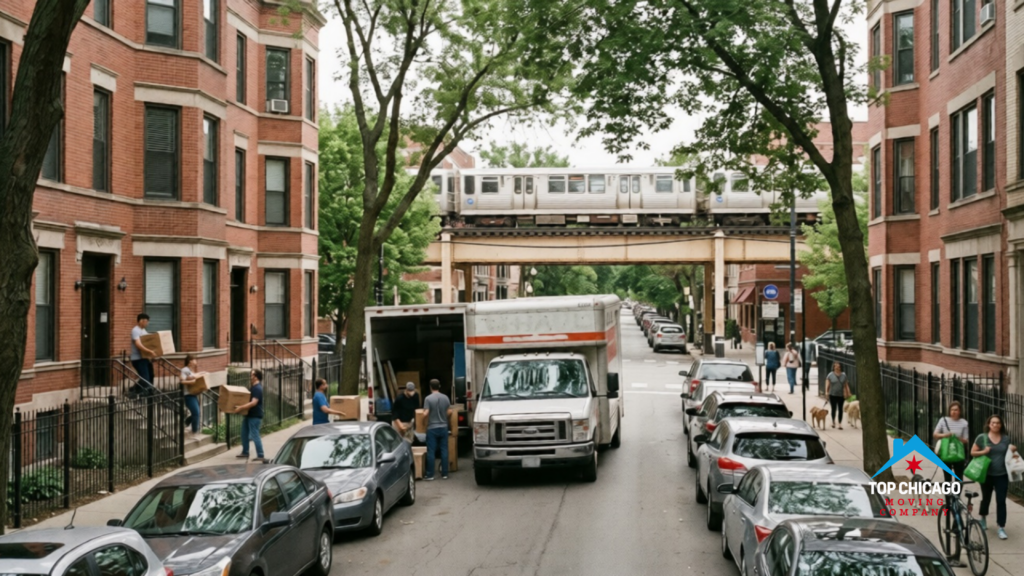
Reserve moving truck parking permits well in advance of your move date, as the city requires proper permits for moving vehicles to park in restricted areas or block traffic lanes during loading and unloading. Choose moving times carefully to avoid conflicts with Cubs games, street festivals, and other events that can create traffic congestion and parking challenges throughout the neighborhood. Communicate with building management if you’re moving into a high-rise or managed building, as many properties have specific procedures, time restrictions, and equipment requirements for moves. Professional
packing services can be particularly valuable in Lakeview, where space constraints and urban logistics make efficient packing and organization crucial for successful moves.
Building Access and Logistics
Many Lakeview buildings have limited elevator access or size restrictions that affect moving logistics, making it important to coordinate with building management and moving crews about equipment and timing requirements. Narrow hallways, stairs, and tight corners in older buildings require experienced movers who understand how to navigate furniture and belongings through challenging spaces without damage. Loading zones and temporary parking areas may be limited near your building, making it essential to plan loading and unloading procedures that minimize time in restricted areas while ensuring efficient moving processes. Security requirements in some buildings may affect moving schedules and access, requiring advance coordination with building staff and management to ensure smooth entry and exit during moving activities.
Neighborhood Considerations
Street conditions in Lakeview vary from smooth modern pavement to older, more challenging surfaces that can affect moving truck access and equipment use, particularly for ground-floor moves or buildings without loading docks. Traffic patterns during different times of day and week significantly impact moving logistics, with rush hour congestion and weekend activity creating very different challenges for moving operations. Neighbor considerations are important in dense residential areas, where moving activities can affect multiple households and create temporary inconveniences that good planning can minimize. Weather conditions can significantly impact moves in Lakeview, particularly during Chicago’s harsh winters when ice, snow, and cold temperatures create additional challenges for moving crews and equipment.
Cost of Living and Budget Considerations
Housing Costs
Rental prices in Lakeview typically exceed Chicago averages due to the neighborhood’s popularity, amenities, and location advantages, making it important to budget appropriately for housing costs when planning your move. Utility costs in older buildings may be higher than expected, particularly during Chicago’s extreme weather seasons when heating and cooling demands peak. Factor these seasonal variations into your monthly budget planning. Security deposits and broker fees can add significant upfront costs to Lakeview moves, particularly for competitive rental properties where landlords can command premium terms due to high demand. Parking costs, whether for monthly garage rentals or frequent parking violations, should be included in your overall housing budget as these expenses can add substantially to your monthly living costs.
Daily Living Expenses
Dining and entertainment costs in Lakeview reflect the neighborhood’s popularity and quality, with restaurant prices generally higher than less central Chicago neighborhoods, though the variety of options allows for different budget approaches. Grocery costs vary significantly depending on where you shop, with convenience stores commanding premium prices while larger supermarkets and discount chains offer more affordable options for budget-conscious residents. Transportation savings from excellent public transit access can offset some of the neighborhood’s higher costs, particularly for residents who can eliminate car ownership or reduce driving significantly. Service costs for everything from dry cleaning to personal care may be higher in Lakeview due to the neighborhood’s affluent demographics and high commercial rents that businesses pass on to customers. Moving to Lakeview offers an exceptional urban living experience that combines convenience, culture, and community in one of Chicago’s most desirable neighborhoods. The challenges of city living are balanced by incredible amenities, transportation access, and the energy that comes from being part of a vibrant community. Success in Lakeview requires understanding and adapting to urban logistics while taking advantage of the neighborhood’s many benefits. From mastering parking regulations to embracing public transportation, residents who prepare for the realities of city living find themselves well-positioned to enjoy everything the neighborhood offers. The investment in professional moving services familiar with Lakeview’s unique characteristics pays dividends in reduced stress and successful integration into your new community. Experienced movers understand the logistics, regulations, and challenges that make urban moves different from suburban relocations. Lakeview’s combination of lakefront beauty, cultural richness, and urban convenience creates a lifestyle that attracts residents who stay for years or even decades, building the strong community connections that make this neighborhood truly special.