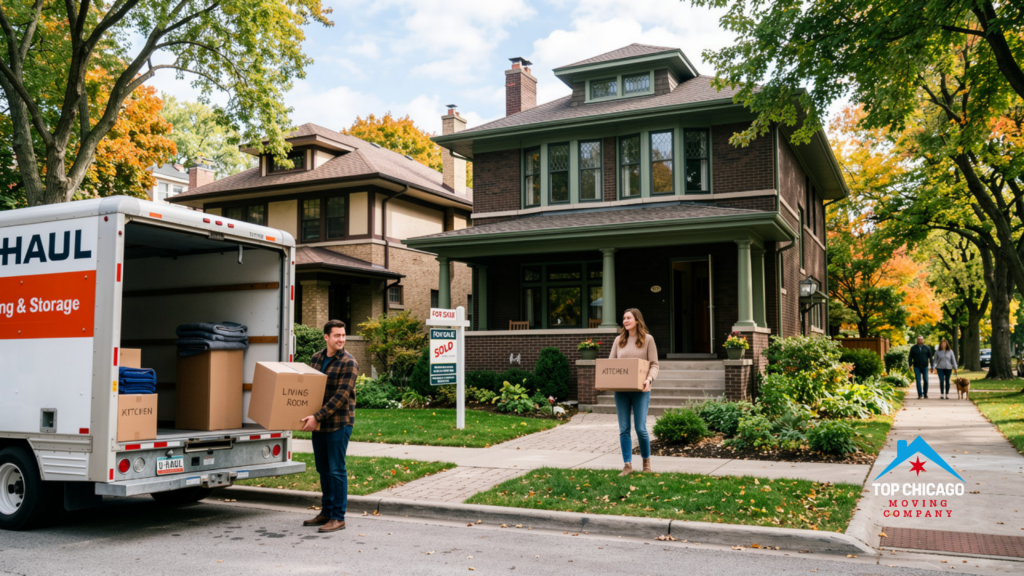
Oak Park holds the distinction of being Chicago’s first suburb, and for good reason. This vibrant community just west of the city offers an irresistible blend of historic charm, architectural significance, and modern convenience that continues to attract new residents from across the Chicagoland area. The village’s tree-lined streets showcase some of the finest examples of Frank Lloyd Wright architecture in the world, while its walkable neighborhoods provide easy access to excellent schools, diverse dining options, and quick transportation into downtown Chicago. Oak Park manages to feel both intimately small-town and cosmopolitan at the same time. Moving to Oak Park means joining a community that values arts, education, and progressive ideals while maintaining strong connections to Chicago’s cultural and economic opportunities. The village’s commitment to diversity and inclusion creates a welcoming environment for families, young professionals, and retirees alike. Whether you’re planning a
residential move from another Chicago neighborhood or relocating from outside Illinois, understanding what makes Oak Park unique helps you prepare for the transition and appreciate everything this historic suburb has to offer.
Oak Park’s Rich History and Character
Oak Park’s story begins in the 1830s when it was still part of the vast prairie surrounding Chicago. The area was originally settled by farmers and gradually developed into a residential suburb as Chicago’s population exploded in the late 1800s. The village officially incorporated in 1902, driven partly by residents’ desire to maintain prohibition when Chicago allowed alcohol sales. This independent spirit continues to define Oak Park’s character today, with residents actively engaged in local governance and community issues. Frank Lloyd Wright called Oak Park home for 20 years, designing 25 buildings in the village including his own home and studio. This concentration of Prairie School architecture is unmatched anywhere in the world, earning Oak Park international recognition as an architectural destination. The village played a significant role in the temperance movement and later became known for its progressive stance on civil rights and social justice. Oak Park was one of the first communities in the Chicago area to actively promote integration in the 1960s and 1970s. Notable residents throughout history include Ernest Hemingway, who was born and raised in Oak Park, architect Louis Sullivan, and numerous other writers, artists, and social reformers who were drawn to the community’s intellectual atmosphere. Today’s Oak Park maintains this legacy of innovation and social consciousness while adapting to modern needs. The village consistently ranks among the best places to live in Illinois, balancing historic preservation with sustainable development and community engagement.
Neighborhoods and Housing Options
Oak Park’s distinct neighborhoods each offer unique character and housing styles, though the entire village spans just 4.7 square miles, making it easy to explore different areas before settling on your ideal location. The Historic District, centered around Frank Lloyd Wright’s home and studio, features the highest concentration of Prairie School architecture. Homes here range from Wright-designed masterpieces to other architect-designed homes from the early 1900s, typically commanding premium prices due to their historical significance. North Oak Park attracts families with its tree-lined streets, larger lots, and proximity to excellent elementary schools. Housing stock includes beautiful Victorian homes, colonial revivals, and some newer construction, with many properties featuring mature landscaping and spacious yards. South Oak Park offers more affordable housing options while maintaining the village’s characteristic charm. This area includes more diverse architectural styles and has seen significant revitalization in recent years, making it popular with first-time homebuyers and young professionals. The Arts District, centered around the Oak Park Festival Theatre and other cultural venues, appeals to creative professionals and arts enthusiasts. Housing here includes converted lofts, townhomes, and traditional single-family residences within walking distance of galleries and performance spaces. Oak Park’s housing market includes options for every budget, from modest starter homes to grand historical estates. Many properties feature original architectural details like hardwood floors, built-in bookcases, and decorative millwork that reflect the village’s emphasis on craftsmanship. Condominium and townhome developments provide alternatives to single-family homes, particularly appealing to empty nesters and young professionals who want to enjoy Oak Park’s amenities without extensive property maintenance responsibilities.
Schools and Education
Oak Park’s commitment to education excellence makes it a top choice for families relocating to the Chicago suburbs. The village’s schools consistently rank among the best in Illinois, with strong academic programs and innovative teaching approaches. Elementary School District 97 serves students in kindergarten through eighth grade with seven elementary schools and two middle schools. The district is known for its progressive educational philosophy, emphasis on diversity and inclusion, and strong parent involvement in school activities. Oak Park and River Forest High School serves students from both communities and has earned national recognition for academic excellence, diverse programming, and college preparation. The school offers extensive Advanced Placement courses, arts programs, and athletic opportunities. Private school options include several highly regarded institutions that complement the public school offerings. These schools range from traditional academic programs to alternative educational approaches, providing choices for families with specific educational preferences. Higher education opportunities exist within the village through Dominican University, a private Catholic university offering undergraduate and graduate programs. The university’s presence adds cultural and educational resources that benefit the entire community. Adult education and lifelong learning opportunities abound through the Oak Park Public Library, community college partnerships, and various community organizations that offer classes, lectures, and cultural programming throughout the year. The village’s emphasis on education extends beyond formal schooling, with numerous youth programs, tutoring services, and educational support organizations that help all students succeed academically and develop into engaged citizens.
Transportation and Commuting
Oak Park’s location and transportation infrastructure make it one of the most accessible suburbs for commuting to downtown Chicago and other Chicagoland destinations. Multiple transportation options provide flexibility for residents with different commuting needs. The CTA Green Line and Blue Line both serve Oak Park with multiple stations throughout the village. The Green Line provides direct service to downtown Chicago in about 20 minutes, while the Blue Line connects to O’Hare Airport and runs 24 hours a day. Metra’s Union Pacific West Line stops at Oak Park station, offering another option for downtown commutes with comfortable seating and reliable service. This line also connects to suburbs further west for reverse commuting opportunities. Oak Park encourages walking and biking with well-maintained sidewalks, bike lanes, and numerous bike racks throughout the business districts. Many residents walk or bike to train stations, reducing parking needs and promoting healthy transportation choices. The village’s compact size and grid street pattern make local transportation easy, whether walking to neighborhood businesses or driving short distances. Most daily needs can be met within Oak Park without traveling to other communities. Major highways including the Eisenhower Expressway (I-290) provide automobile access to downtown Chicago and other suburbs, though many residents prefer public transportation to avoid traffic congestion and parking challenges in the city. Car sharing services and ride-sharing options supplement public transportation, providing flexibility for occasional trips that don’t align with train schedules or destinations not well-served by public transit.
Shopping, Dining, and Entertainment
Oak Park’s vibrant business districts offer diverse shopping, dining, and entertainment options that reflect the community’s sophisticated tastes and commitment to supporting local businesses. Madison Street serves as the main commercial corridor with dozens of locally-owned restaurants, cafes, and shops. The dining scene ranges from casual neighborhood spots to upscale establishments, with cuisines representing Oak Park’s diverse population. Lake Street offers additional shopping and dining options, including several antique stores, specialty boutiques, and professional services. This area has seen significant revitalization in recent years with new businesses opening regularly. The Oak Park Farmers Market operates year-round, providing fresh produce, local products, and artisanal goods from regional vendors. The market serves as both a shopping destination and community gathering place that strengthens neighborhood connections. Entertainment options include the historic Lake Theatre, which shows independent and foreign films, and several live music venues that host local and touring performers. The Oak Park Festival Theatre produces professional theater in an intimate setting. Art galleries, studios, and cultural centers throughout the village showcase local artists and provide venues for community events. The Oak Park Arts District designation reflects the village’s commitment to supporting creative industries and cultural activities. Festivals and special events occur throughout the year, including the Wright Plus Housewalk, Unity Temple restoration tours, and various street festivals that celebrate the community’s diversity and artistic heritage.
Parks and Recreation
Oak Park’s extensive park system and recreational facilities provide residents with numerous opportunities for outdoor activities, sports, and relaxation within the village’s compact boundaries. Scoville Park, the village’s largest park, features tennis courts, a playground, and open space for various activities. The park hosts summer concerts and festivals while providing daily recreational opportunities for residents of all ages. Austin Gardens offers formal landscaping, walking paths, and quiet spaces for contemplation. This smaller park showcases beautiful seasonal plantings and provides an oasis of calm in the heart of the village. The Oak Park Conservatory houses tropical and desert plants year-round, providing educational opportunities and a warm retreat during Chicago’s harsh winters. The facility also hosts special events and educational programs. Taylor Park includes athletic fields, a fieldhouse, and facilities for organized sports leagues. The park serves as headquarters for many of Oak Park’s youth and adult recreational programs. The Oak Park River Forest Museum provides cultural and historical education while the Cheney Mansion offers event space and architectural tours. These facilities combine recreation with learning opportunities that enrich community life. Biking and walking trails connect parks and neighborhoods throughout Oak Park, extending into neighboring communities and Forest Preserve lands. These trails provide safe routes for recreation and transportation while promoting healthy lifestyles.
Cost of Living Considerations
Understanding Oak Park’s cost of living helps you budget appropriately for your move and ongoing expenses in this desirable suburb. While costs are higher than many Chicago area communities, they reflect the village’s premium amenities and location. Housing costs represent the largest expense for most Oak Park residents, with home prices and rental rates above Cook County averages. However, the village’s historic character, excellent schools, and convenient location justify premium pricing for many buyers. Property taxes in Oak Park are significant, reflecting the village’s commitment to excellent municipal services and top-rated schools. New residents should factor these ongoing costs into their housing budgets when comparing Oak Park to other communities. Utilities and basic services cost roughly the same as other Chicago suburbs, though some residents save money on transportation costs due to excellent public transit access and walkable neighborhoods that reduce car dependency. Grocery and retail prices align with typical suburban Chicago levels, with the added benefit of numerous local and specialty stores that provide unique products not available in chain stores elsewhere. Dining and entertainment costs vary widely depending on your preferences, but Oak Park’s local restaurants and cultural venues often provide better value than similar options in downtown Chicago while maintaining comparable quality. The village’s compact size and walkability can reduce transportation costs significantly for residents who take advantage of public transit and local businesses, offsetting some of the higher housing and property tax expenses.
Moving Logistics and Tips
Successfully relocating to Oak Park requires understanding the village’s unique characteristics and planning accordingly to ensure a smooth transition to your new community. Parking considerations are crucial because many Oak Park streets have permit parking requirements and limited visitor spaces. Research parking regulations for your specific address and apply for permits before moving day to avoid tickets or towing. Moving truck access can be challenging on some of Oak Park’s narrow, tree-lined streets. Work with your
residential moving company to plan routes and identify any restrictions that might affect large vehicle access to your new home. Timing your move to avoid school start/end times helps prevent traffic delays and ensures easier access to your new property. Oak Park’s busy school zones can significantly slow moving trucks during peak hours. Utility connections including electricity, gas, water, and internet should be arranged well in advance because some providers have limited service windows in Oak Park’s dense neighborhoods. Don’t wait until the last minute to schedule these essential services.
Packing services can be especially valuable for Oak Park moves because many homes feature original architectural details that require careful handling. Professional packers understand how to protect delicate millwork, stained glass, and other historic features. Community integration opportunities abound in Oak Park, so research neighborhood associations, community groups, and volunteer organizations that match your interests. Getting involved quickly helps you establish connections and feel at home in your new community. Oak Park offers an exceptional quality of life that combines small-town charm with big-city sophistication. The village’s commitment to historic preservation, educational excellence, and community engagement creates an environment where residents truly feel connected to their neighbors and their community’s rich heritage. Moving to Oak Park means joining a community that values diversity, creativity, and civic participation while providing convenient access to Chicago’s cultural and economic opportunities. The transition from urban Chicago or suburban communities elsewhere often feels seamless due to Oak Park’s welcoming atmosphere and comprehensive amenities. The investment in Oak Park living pays dividends through excellent schools, beautiful architecture, convenient transportation, and a strong sense of community that enhances daily life. Residents consistently express high satisfaction with their choice to call Oak Park home. Whether you’re drawn by Frank Lloyd Wright’s architectural legacy, the excellent schools, or the village’s progressive values, Oak Park provides a unique living experience that combines the best aspects of urban and suburban life in one of Chicagoland’s most desirable communities.