Chicago’s notorious weather extremes can pose significant challenges during a move, from bone-chilling winters with heavy snowfall to sweltering summers with sudden thunderstorms. The city’s unpredictable weather patterns mean that movers need to be prepared for everything from blizzards to heat waves, often within the same season. Understanding how different weather conditions affect your belongings is crucial for protecting your investment in furniture, electronics, artwork, and other valuable items. Each type of weather presents unique risks, from moisture damage during spring rains to freezing temperatures that can crack delicate items in winter. Proper preparation and the right moving strategies can make the difference between a successful relocation and costly damage to your possessions. Whether you’re planning a
residential moving project or a
commercial moving operation, weather protection should be a top priority in your moving plan. The key to weather-resistant moving lies in understanding Chicago’s seasonal patterns, choosing appropriate materials and techniques, and working with experienced professionals who know how to adapt their methods to local weather conditions.
Understanding Chicago’s Weather Challenges
Winter Weather Hazards
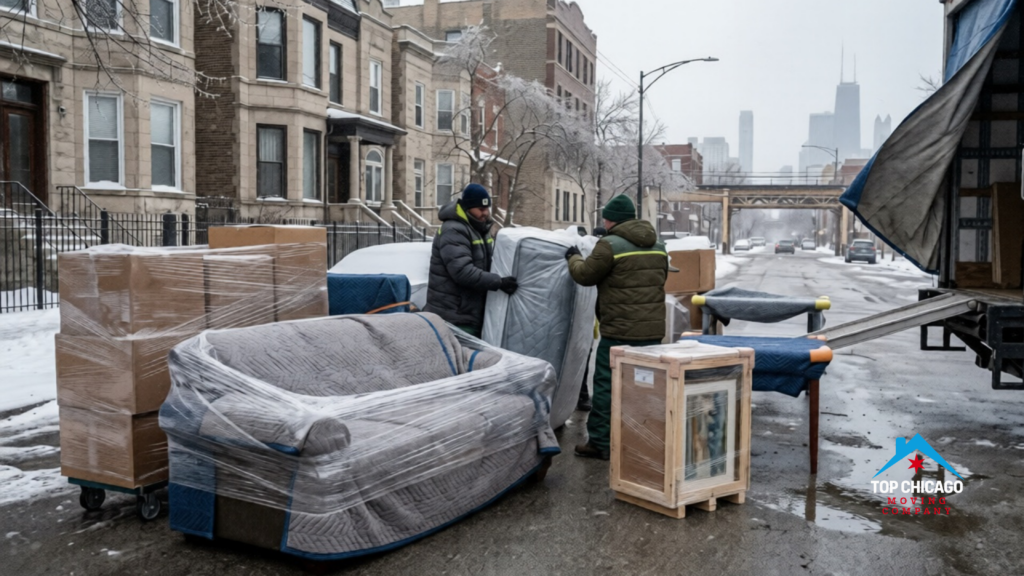
Chicago winters bring multiple threats to your belongings during a move, with temperatures often dropping well below freezing and staying there for extended periods. Electronics, musical instruments, and wooden furniture are particularly vulnerable to extreme cold, which can cause components to crack, warp, or malfunction. Snow and ice create additional challenges beyond just temperature concerns. Wet snow can penetrate protective coverings that aren’t properly sealed, while ice formation on moving equipment can make handling more dangerous and less precise. The combination of cold temperatures and moisture creates the perfect storm for damage to sensitive items. Wind chill factors can make already cold temperatures even more brutal for both your belongings and the moving crew. Strong winter winds can drive snow and moisture into areas that might otherwise stay dry, requiring extra protection measures for items being transported. Salt and chemical de-icing treatments used on Chicago streets and sidewalks can damage furniture, fabrics, and metal items if they come into contact during the moving process. These corrosive substances can cause long-term damage that may not become apparent until weeks or months after your move.
Summer Heat and Humidity
Chicago’s summer temperatures can soar into the 90s with high humidity levels that create challenging conditions for protecting certain types of belongings. Heat-sensitive items like candles, vinyl records, photographs, and certain medications can be damaged by prolonged exposure to high temperatures. Humidity during Chicago summers can cause wooden furniture to swell, musical instruments to go out of tune, and metal items to rust more quickly. Books, documents, and fabric items are particularly susceptible to humidity damage that can lead to mold and mildew growth. Sudden temperature changes between air-conditioned indoor spaces and hot outdoor conditions can cause condensation to form on electronics and other sensitive items. This moisture can cause immediate damage to electronic components and create long-term problems with metal corrosion. The urban heat island effect in Chicago means that temperatures in the city can be significantly higher than in surrounding areas, creating additional stress on items being moved during peak summer months. Pavement and truck surfaces can become extremely hot, creating additional heat exposure for your belongings.
Spring and Fall Weather Variability
Chicago’s transitional seasons bring unpredictable weather patterns that can change rapidly throughout a single moving day. A sunny morning can quickly turn into a thunderstorm, leaving unprepared movers scrambling to protect exposed belongings. Spring rains in Chicago can be particularly problematic because they often come with strong winds that can drive moisture into areas that would normally stay dry. The combination of rain and wind requires more comprehensive protection strategies than either condition alone. Temperature swings during spring and fall can be dramatic, with differences of 30 degrees or more between morning and afternoon temperatures. These rapid changes can stress sensitive items and require flexible protection strategies that can adapt to changing conditions. Severe weather events like tornadoes and severe thunderstorms are most common during Chicago’s spring and early summer months, creating potential for extreme weather conditions that can develop quickly and require immediate protective action.
Pre-Move Weather Preparation
Weather Monitoring and Planning
Begin monitoring weather forecasts at least a week before your scheduled move date, paying attention to both immediate conditions and longer-term trends that might affect your moving timeline. Chicago weather can change quickly, so daily forecast updates are essential for making informed decisions. Identify backup dates and flexible scheduling options with your moving company to accommodate severe weather conditions that might make moving unsafe or impractical. Having alternative plans in place reduces stress and helps ensure your belongings are protected. Consider the specific weather vulnerabilities of your most valuable or sensitive items when planning your moving timeline. Items that are particularly sensitive to cold, heat, or humidity might benefit from being moved during more favorable weather windows. Communicate with your moving team about weather concerns and any special requirements for protecting weather-sensitive items. Professional movers experienced with Chicago weather will have strategies and equipment for dealing with various conditions, but they need to know about your specific concerns.
Gathering Protective Materials
Invest in high-quality waterproof coverings, including heavy-duty plastic sheeting, waterproof tarps, and moisture-resistant moving blankets. These materials form the foundation of weather protection for your belongings during transport and loading. Acquire plenty of moisture-absorbing materials like silica gel packets, activated charcoal, or commercial desiccants to place inside boxes and protective coverings. These materials help control humidity levels and prevent condensation damage during temperature changes. Stock up on sealing materials including waterproof tape, plastic bags of various sizes, and vacuum-sealed storage bags for particularly vulnerable items. Proper sealing is crucial for keeping moisture out and maintaining stable conditions for sensitive belongings. Consider climate-controlled storage options for items that are extremely sensitive to temperature or humidity changes. Short-term climate-controlled storage can provide a buffer zone for your most vulnerable possessions during extreme weather periods.
Item-Specific Preparation Strategies
Electronics require special attention in Chicago’s variable weather conditions. Remove batteries from devices to prevent corrosion, wrap items in anti-static materials, and allow electronics to acclimate gradually to new temperature conditions rather than powering them on immediately after temperature changes. Wooden furniture and musical instruments need protection from both moisture and rapid temperature changes. Apply appropriate protective finishes before moving, wrap items in breathable materials that prevent moisture buildup, and avoid plastic coverings that can trap condensation. Artwork, photographs, and documents should be protected with acid-free materials and moisture barriers. Consider using specialized art moving boxes and climate-controlled transport for particularly valuable pieces that could be damaged by temperature or humidity fluctuations. Fabric items and upholstery need protection from both moisture and temperature extremes. Clean items before moving to prevent odors and stains from setting in during transport, and use breathable protective coverings that allow air circulation while blocking moisture.
Moving Day Weather Protection
Loading and Unloading Strategies
Create covered pathways between your home and the moving truck using tarps, canopies, or temporary shelters to minimize weather exposure during the loading process. Even brief exposure to rain, snow, or extreme temperatures can damage sensitive items. Prioritize loading order based on weather sensitivity, with the most vulnerable items loaded last (so they can be unloaded first) and protected with the most comprehensive weather barriers. This strategy minimizes exposure time for your most valuable possessions. Use proper lifting and handling techniques that account for weather conditions, including wet or icy surfaces that can make footing treacherous. Safety for both your belongings and the moving crew should be the top priority during challenging weather conditions. Establish staging areas inside your home where items can be prepared and protected before being moved to the truck, and similar areas at your destination where items can be received and processed before final placement. These controlled environments provide buffers against weather exposure.
Transportation Considerations
Ensure that moving trucks are properly climate-controlled or at least insulated to protect against extreme temperatures during transport. Professional moving companies should have equipment appropriate for Chicago’s weather conditions, but it’s worth confirming their capabilities. Monitor weather conditions during transport and be prepared to adjust routes or make stops if conditions become dangerous for your belongings or the moving crew. Safety should always take priority over schedule adherence during severe weather. Use proper securing techniques that account for weather-related movement in the truck, including expansion and contraction of materials due to temperature changes and the possibility of additional movement during weather-related driving conditions. Maintain communication with your moving team throughout the transport process, especially during changing weather conditions that might require adjustments to handling procedures or protective measures.
Emergency Weather Response
Develop contingency plans for severe weather events that might occur during your move, including procedures for quickly securing and protecting exposed items if conditions deteriorate rapidly. Chicago weather can change fast, requiring quick response capabilities. Identify shelter locations where moving activities can be suspended and items can be protected if severe weather develops during the moving process. Having predetermined safe areas reduces confusion and response time during weather emergencies. Keep emergency supplies on hand, including additional protective coverings, towels for drying wet items, and basic tools for securing temporary weather protection. Being prepared for the unexpected can prevent minor weather events from becoming major damage incidents. Establish clear communication protocols with your moving team for weather-related decisions, including who has authority to suspend operations and how weather-related delays or changes will be handled. Clear communication prevents confusion during stressful weather situations.
Specific Protection Techniques
Moisture Control Methods
Create moisture barriers using multiple layers of protection, starting with plastic wrapping for individual items, followed by moisture-resistant moving blankets, and finished with waterproof outer coverings. This layered approach provides redundant protection against moisture intrusion. Use proper ventilation techniques that allow air circulation while preventing moisture accumulation, particularly important during temperature changes that can cause condensation. Strategic placement of vents and breathable materials helps maintain stable conditions. Implement humidity monitoring using simple hygrometers placed inside protective coverings and moving containers to track moisture levels and identify potential problems before they cause damage. Active monitoring allows for corrective action before damage occurs. Apply moisture-absorbing materials strategically throughout your packed items, paying particular attention to enclosed spaces where humidity can build up. Renew desiccants regularly during extended moving processes to maintain their effectiveness.
Temperature Regulation
Provide insulation for temperature-sensitive items using specialized moving blankets, foam padding, and insulating materials that help buffer against rapid temperature changes. Gradual temperature transitions are less stressful for sensitive belongings than sudden changes. Allow for acclimatization periods when moving items between different temperature environments, particularly when moving from heated indoor spaces to cold outdoor conditions or vice versa. Rushing temperature transitions can cause damage from thermal shock. Use thermal barriers to protect items from direct contact with extremely hot or cold surfaces like truck floors, metal surfaces, or sun-heated areas. Simple insulation can prevent localized damage from temperature extremes. Monitor temperature conditions throughout the moving process using digital thermometers and adjust protective measures as needed based on actual conditions rather than just weather forecasts. Real-time monitoring allows for responsive protection strategies.
Wind and Storm Protection
Secure all protective coverings and wrapping materials to prevent them from being torn or displaced by strong winds that are common in Chicago. Wind damage to protective materials can leave items vulnerable to other weather conditions. Use proper anchoring techniques for temporary shelters and protective structures to ensure they remain stable during windy conditions. Properly secured protection is essential for maintaining weather barriers throughout the moving process. Avoid creating large surface areas that can catch wind and become dangerous projectiles or cause handling difficulties. Design protective coverings to minimize wind resistance while maintaining effectiveness against other weather conditions. Plan for wind chill effects that can make cold temperatures even more dangerous for both belongings and moving crew members. Wind can also drive precipitation into areas that might otherwise stay dry, requiring additional protective measures.
Professional Moving Services and Weather Protection
Choosing Weather-Experienced Movers
Select moving companies with demonstrated experience handling Chicago weather conditions and specific equipment designed for weather protection. Local companies familiar with Chicago’s weather patterns are often better prepared for the challenges you’ll face. Verify that your moving company has appropriate insurance coverage for weather-related damage and understand what protection is included in their standard service versus what requires additional coverage. Weather damage can be expensive, so proper insurance is crucial. Discuss specific weather protection procedures with potential moving companies during the planning process, asking about their equipment, materials, and protocols for different weather conditions. Their responses will reveal their level of preparation and expertise. Look for moving companies that offer climate-controlled transportation options or can recommend specialized services for particularly weather-sensitive items. Not all moving companies are equipped to handle extreme weather protection requirements.
Professional Packing Services
Consider professional
packing services that include weather protection as part of their expertise, particularly for valuable or weather-sensitive items that require specialized handling and materials. Professional packers have access to specialized materials and techniques that may not be readily available to individual movers, including commercial-grade moisture barriers, specialized cushioning, and professional sealing methods. Experienced packing professionals can assess your specific items and recommend appropriate protection strategies based on the weather conditions expected during your move and the sensitivity of your belongings. Professional packing services often include insurance coverage for items they pack, providing additional protection against weather-related damage during your move. This coverage can be valuable for expensive or irreplaceable items.
Equipment and Vehicle Considerations
Ensure that moving trucks are equipped with proper climate control, insulation, or at least protection against extreme temperatures that can damage sensitive items during transport. Vehicle condition directly affects the safety of your belongings. Verify that moving equipment like dollies, straps, and lifting devices are designed to function safely in wet, icy, or extreme temperature conditions that are common in Chicago. Equipment failure during bad weather can lead to damage and safety issues. Ask about specialized equipment for weather protection, such as weatherproof dollies, heated moving blankets, or moisture-resistant padding that can provide additional protection during challenging weather conditions. Consider the size and type of moving vehicle needed to minimize loading and unloading time during adverse weather conditions. Larger trucks may require fewer trips but take longer to load, while smaller trucks may require more weather exposure but shorter individual loading periods.
Post-Move Care and Recovery
Immediate Assessment and Action
Conduct thorough inspections of all items immediately after unloading to identify any weather-related damage that may have occurred during the move. Early detection of problems allows for faster remediation and better outcomes. Remove protective coverings carefully and systematically, checking for moisture accumulation, temperature damage, or other weather-related issues that may have developed during transport. Document any problems with photographs for insurance purposes. Allow items to acclimate gradually to their new environment, particularly if there are significant temperature or humidity differences between transport conditions and your new location. Rushing this process can cause additional damage from environmental shock. Address any moisture issues immediately by providing ventilation, using dehumidifiers, or applying other moisture control measures to prevent secondary damage like mold or mildew growth that can develop quickly after weather exposure.
Long-Term Monitoring and Maintenance
Monitor previously exposed items for delayed weather damage symptoms that may not appear immediately, such as warping, cracking, discoloration, or mechanical problems that can develop days or weeks after weather exposure. Implement ongoing climate control in your new location to prevent continued weather-related deterioration of items that may have been stressed during the moving process. Stable environmental conditions help recovery and prevent additional damage. Consider professional restoration services for items that have sustained weather damage during your move, particularly valuable or sentimental pieces that warrant investment in professional repair and restoration rather than replacement. Update your inventory and insurance documentation to reflect any weather-related damage or changes to your belongings during the move. This information may be important for future insurance claims or valuations.
Learning from the Experience
Evaluate the effectiveness of your weather protection strategies and identify areas for improvement if you need to make future moves in challenging weather conditions. Experience is valuable for developing better protection methods. Document successful techniques and materials that worked well for your specific types of belongings and Chicago weather conditions. This information can be valuable for future moves or for sharing with others facing similar challenges. Consider investing in permanent weather protection equipment that could be useful for future moves or for protecting items during home renovations or other situations where weather exposure might be a concern. Build relationships with moving professionals and suppliers who demonstrated expertise in weather protection during your move. Having trusted resources available can be valuable for future moving or storage needs. Chicago’s extreme weather conditions demand serious preparation and professional expertise to protect your belongings during a move. From winter blizzards to summer heat waves, each season brings unique challenges that require specific protection strategies and materials. The investment in proper weather protection pays dividends in preserved belongings, reduced stress, and successful relocation outcomes. While weather protection may add some complexity and cost to your moving process, the alternative of weather-damaged possessions is far more expensive and stressful. Working with experienced moving professionals who understand Chicago’s weather patterns and have the equipment and expertise to handle challenging conditions is often the best investment you can make in protecting your belongings. Their knowledge and resources can make the difference between a successful move and a costly disaster. Remember that weather protection is not just about the moving day itself, but about planning ahead, choosing the right materials and techniques, and being prepared to adapt to changing conditions. With proper preparation and professional support, you can successfully protect your belongings from Chicago’s most challenging weather conditions.